en English
ar Arabiczh-CN Chinese (Simplified)nl Dutchen Englishfr Frenchde Germanit Italianpt Portugueseru Russianes Spanish
What are you looking for?

Yearly Archives: 2026

Catholic Bishops of Uganda on ‘ad limina’ Visit to Rome.

The expression “ad limina apostolorum” comes from Latin and means “to the thresholds of the apostles.” During this time, the bishops visit the tombs of the Apostles Peter and Paul, as well as the various dicasteries of the Roman Curia, ending with a meeting with the Pope.

By Flavia Oyuu, Communications Office, Lira Diocese

The Catholic Bishops of Uganda, under their umbrella body, the Uganda Episcopal Conference (UEC), are currently in Rome to participate in the traditional “ad limina apostolorum” visit, a significant moment in the life and mission of the Catholic Church.

The expression “ad limina apostolorum” comes from Latin and means “to the thresholds of the apostles.” During this time, the bishops visit the tombs of the Apostles Peter and Paul, as well as the various dicasteries of the Roman Curia, ending with a meeting with the Pope.

The Catholic Bishops who left Uganda on Saturday, March 14, had the celebration of the Holy Mass today in the Basilica of St. John Lateran which is the Cathedral of the Pope as the Bishop of Rome. This is the oldest Basilica. Their Ad Limina Visit is expected to conclude on March 21, 2026. Every serving bishop (not emeritus bishops) has made the ad limina visit meaning there are 18 Catholic Bishops from the 19 Dioceses (Jinja Diocese is under the Apostolic Administration of His Grace Emmanuel Obbo who is the Archbishop of Tororo Archdiocese).

The spiritual heart of the ad limina visit are Masses at the 4 major Papal Basilicas of Rome: St. Peter’s Basilica, St. Paul Outside the Walls, St. John Lateran and St. Mary Major. In addition, the bishops will meet with officials from the different dicasteries and offices of the Roman Curia. The visit also provides an opportunity for the bishops to receive guidance, encouragement, direction and an update from Vatican authorities on matters concerning faith, Church governance, and evangelization.

The Ad Limina Visit is a mandatory and periodic undertaken by Catholic bishops from around the world to Rome, typically every five years whereby each Episcopal Conference is scheduled according to a plan set by the Holy See. The visit provides bishops with the opportunity to meet with the Pope and officials of the Vatican to present reports on the pastoral and administrative state of their Dioceses.

According to Rev. Fr. Miguel Silvestre of the Work of the Church, an institution of pontifical right entrusted with the mission of welcoming the prelates and facilitating their stay in the Holy City (Rome) notes that although there is no specific date for the institution of the ad limina visit, many accounts trace its origin back to the fourth century.

Fr. Silvestre explained that in the sixth century, the obligation of the ad limina visit properly began and was later extended universally, with various regulations, until it was formally established by canon law as it exists today. It was St. John Paul II who gave a new and renewed impetus to this type of visit by bishops with the Holy Father.

Fr. Silvestre emphasized the importance of the ad limina meetings, where “the ecclesial and hierarchical communion of the entire episcopate of a country is manifested in a concrete way, as particular [local] Churches, among themselves and with the universal Church, through their union with the Holy Father.”

During the visit, the Catholic Bishops of Ugandan will have an opportunity to meet the Holy Father, Pope Leo XIV as a group for the first time since his election as Pope in May 2025 and hold discussions with leaders of various Vatican departments.

In meeting with the Holy Father, each Bishop will present a “quinquennial report” which is a detailed report on the state of a diocese. It is an update on the activities of the bishop and diocese in several areas, including the liturgical and sacramental life of the local Church, Catholic education, evangelization, communications, social teaching of the Church, the financial state of the diocese among others.

The Ad Limina visit strengthens the unity between local Churches (Dioceses) and the Holy Father. A key spiritual highlight of the pilgrimage is prayer at the tombs of the Apostles, particularly Saint Peter the Apostle and Paul the Apostle, where the bishops renew their commitment to the apostolic mission of the Church.

The visit further provides bishops with an opportunity for reflection and renewal. It allows each bishop to deepen his responsibility as a shepherd of God’s people and to return, strengthened and affirmed by the successor of the Apostle Peter who is the Pope.

End

Ugandan Bishops expected to start ad limina visit with Pope Leo XIV next week

The Catholic Bishops of Uganda, under their umbrella body, the Uganda Episcopal Conference (UEC), will begin their pilgrimage to Rome on Sunday, 15 March. They will participate in the traditional “ad limina apostolorum” visit. This is a significant event in the life of the local Church.

Fr Isaac Ojok – Lira City

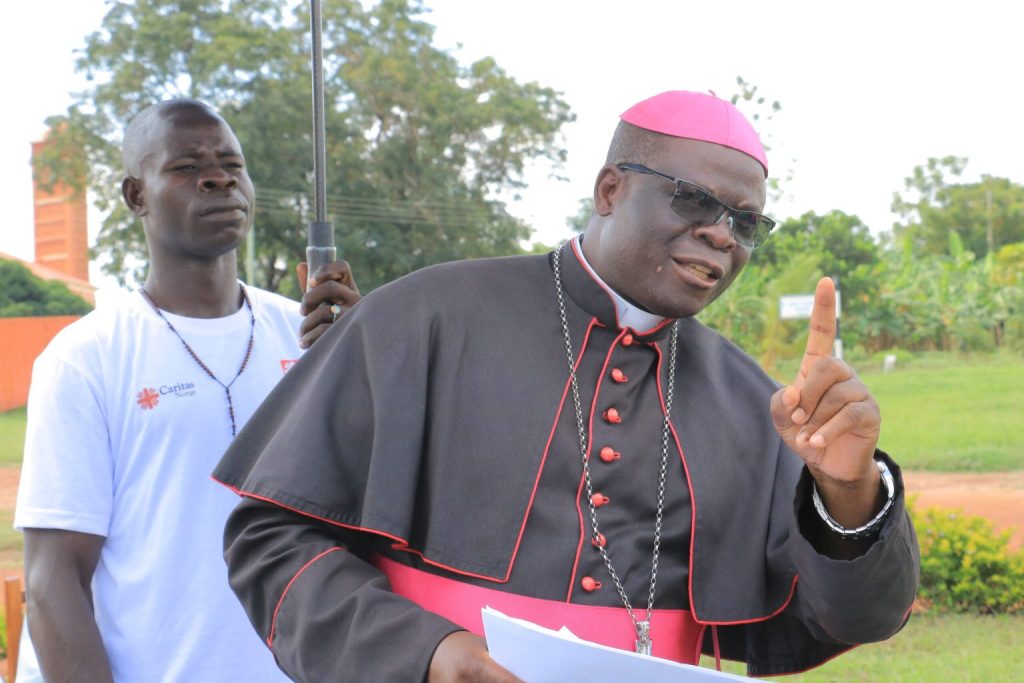
In an interview with Vatican News, Bishop Sanctus Lino Wanok, the Bishop of Lira Diocese in Northern Uganda and Vice Chairman of the Uganda Episcopal Conference, said he will, along with other Ugandan Bishops, represent all the faithful of Uganda on this pilgrimage to Rome.

Addressing himself to the faithful of Lira Diocese, Bishop Wanok said while in Rome, he would present the concerns and aspirations of Lira Diocese to the Holy Father.

He said the ad limina visit, lasting slightly more than a week, will include visits and discussions with various Dicasteries of the Holy See. The visit will culminate in a meeting with Pope Leo XIV.

What is an ad limina visit?

The “ad limina apostolorum” visit is a mandatory meeting with the Pope that all diocesan bishops must undertake, usually every five years, to update him on the state of their dioceses.

During this visit, Ugandan bishops will meet Pope Leo XIV as a group for the first time since his election.

The Ad Limina visit is thus a moment of deep communion with the universal Church. Through these encounters, the local churches remain closely united with the global mission of the Catholic Church.

Prayer is at the heart of the visit

In a Pastoral Letter to the faithful, Bishop Wanok emphasised that prayer will be at the heart of the Ugandan Bishops’ pilgrimage. At the tombs of the Apostles Peter and Paul, the bishops will celebrate Holy Mass and pray for the faithful entrusted to their pastoral care.

Bishop Wanok assured the faithful of Lira Diocese that he would carry them with him in spirit –on this pilgrimage. He affirmed that he would personally present to the Lord the families of the Diocese, their hopes, struggles, and the faith that continues to sustain the Church in the Diocese.

Reflection and renewal

The visit further provides bishops with an opportunity for reflection and renewal. It allows each bishop to deepen his responsibility as a shepherd of God’s people and to return, strengthened and affirmed by the successor of the Apostle Peter.

Bishop Wanok has invited all the faithful in Uganda to accompany the bishops in prayer.  He has since entrusted the journey to the intercession of Saint Peter, Saint Paul the Apostle, and the Blessed Virgin Mary, praying that their prayers may sustain the faith of the people and accompany families throughout the Lango Sub-region and all of Uganda.

This story was first published by Vatican News

Christians Urged to Remain Hopeful in Christ Amid Loss

In his reflection, the Vicar General reminded the faithful that although the death of a loved one brings deep sorrow and the pain of separation, Christians draw hope from the promise of resurrection. Quoting from the Book of Daniel and the First Letter to the Thessalonians, he emphasized that death does not have the final word for those who remain faithful to God, assuring the congregation that believers are destined for eternal life.

By Flavia Oyuu, Communications Office, Lira Diocese

Christians of Lira Diocese have been encouraged to remain hopeful in Christ and hold firmly to the promise of eternal life even in moments of grief and loss.

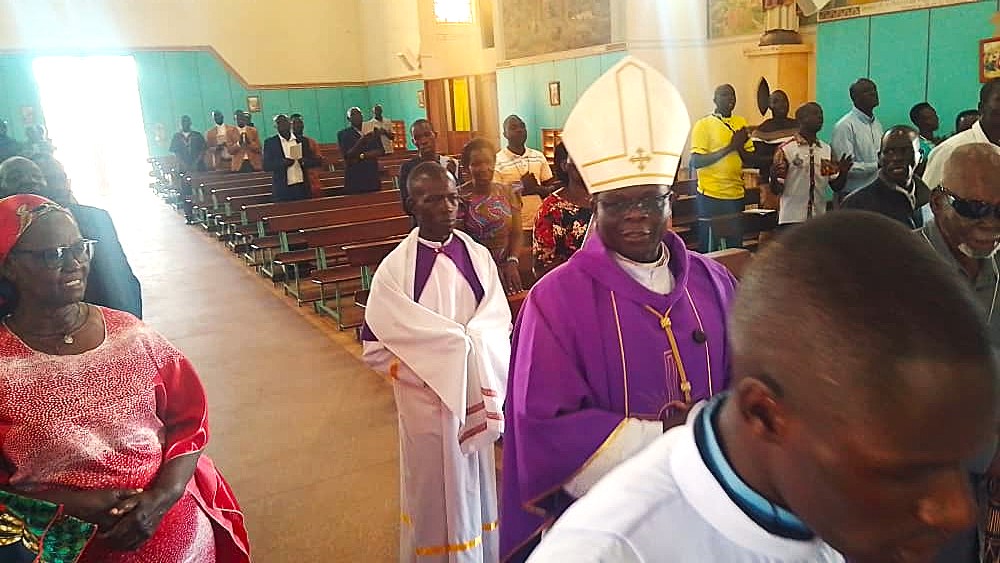
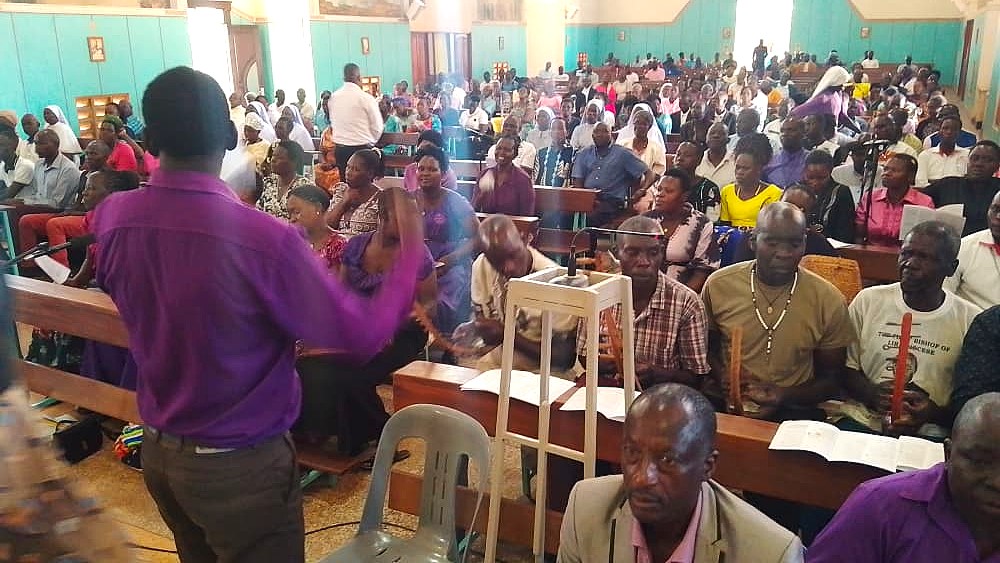
The call was made by the Vicar General during a requiem mass held on Monday at Uganda Martyrs Cathedral for the repose of the soul of Julius Amia Oboko, the brother of Rt Rev. Sanctus Lino Wanok, the Bishop of Lira Diocese.

In his reflection, the Vicar General reminded the faithful that although the death of a loved one brings deep sorrow and the pain of separation, Christians draw hope from the promise of resurrection. Quoting from the Book of Daniel and the First Letter to the Thessalonians, he emphasized that death does not have the final word for those who remain faithful to God, assuring the congregation that believers are destined for eternal life.

He encouraged the faithful to take comfort in the Christian belief that the bond of love shared with the departed continues in Christ and that one day the faithful will be reunited with their loved ones in the fullness of life.

Reflecting on the Gospel according to John, he also highlighted the significance of the Eucharist as a source of eternal life, noting that those who partake of the body and blood of Christ share in the victory of Christ over death. He urged Christians to live lives that reflect faith in eternal life, allow the Eucharist to transform their hearts, and help others grow closer to God.

Speaking on behalf of the Lay Apostolate, Jovino Akaki Ayumu, the Chairperson of the Laity in Lira Diocese, thanked Bishop Wanok for his continued pastoral leadership even during difficult moments. He also encouraged Christians to stand in solidarity with those who have lost their loved ones, whether clergy or lay faithful.

Meanwhile, Bishop Wanok expressed heartfelt appreciation to all those who supported him during the painful time following the loss of his brother. He thanked the organizing committee for arranging the special prayer service for the repose of his brother’s soul, noting that the strong turnout reflected the love and unity among Christians in the diocese.

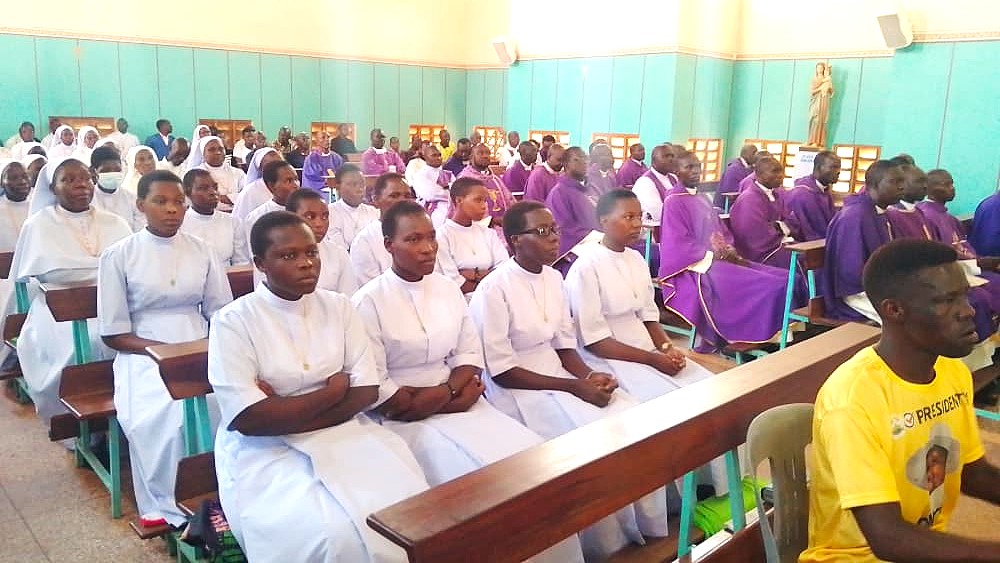
The mass was attended by priests, Reverend Sisters, and Christians from different parishes across the diocese who gathered to console the Bishop and pray for the soul of the late Julius Amia Oboko.

The prayer gathering not only served as a moment of mourning but also reminded Christians of their responsibility to support one another in faith and in times of loss, strengthening unity and compassion within the Church community.

End

Alenga Parish Handed Over to Diocesan Priests as Fr Haron Ojok Named New Parish Priest

The colorful event drew a large congregation of clergy, religious and lay faithful, as well as civil and political leaders who joined the community in celebrating the milestone and paying tribute to the work of the Comboni Missionaries, who have served the parish since 1970.

By Fr. Isaac Ojok, Communications Office, Lira Diocese

Thousands of Christians gathered at Our Lady of the Rosary Alenga Parish in Apac District on Sunday 8th March 2026 for a historic celebration marking the official handover of the parish to diocesan clergy after more than five decades of missionary service.

The colorful event drew a large congregation of clergy, religious and lay faithful, as well as civil and political leaders who joined the community in celebrating the milestone and paying tribute to the work of the Comboni Missionaries, who have served the parish since 1970.

The ceremony was presided over by the Rt. Rev. Sanctus Lino Wanok, Bishop of Lira diocese, who formally entrusted the parish to diocesan priests.

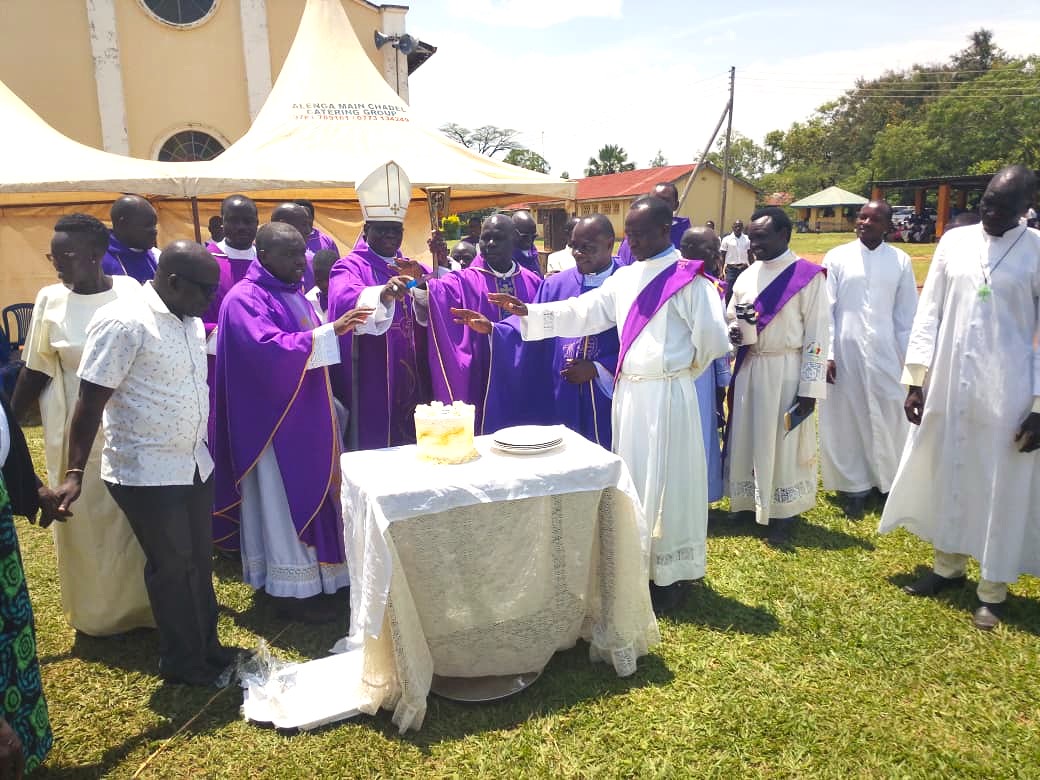
During the Mass for the handover of Alenga Parish from the Comboni Missionaries to the diocesan priests, Bishop Wanok first explained the spiritual foundations that the missionaries had established in the parish. Before beginning his homily, the Bishop requested a symbolic handover. The Comboni Missionary priests made the symbolic handover through their Provincial Superior, Fr Anthony Kibira, to the diocesan priests through Monsignor Polycarp Opio, the Vicar for the Clergy. This gesture signified the transition of pastoral responsibility and the continuation of the Church’s mission in the parish.

In his remarks, Bishop Wanok highlighted four important spiritual elements brought by the missionaries: the Key of the Tabernacle, the Cross, the Bible, and the Rosary. The Key of the Tabernacle symbolizes the responsibility of the priest to safeguard the Eucharist, reminding the faithful that Christ lives among His people. The Cross represents Christ’s sacrifice for the salvation of humanity and calls Christians to live lives of faith and service. The Bible signifies the Word of God that guides the faithful in their daily lives. The Rosary, which the Bishop described as a spiritual weapon, strengthens believers in prayer and helps them resist evil.

Through these symbols, the Bishop reminded the faithful that the missionaries not only established the parish but also laid a strong spiritual foundation that the diocesan priests are now called to continue nurturing.

During the celebration, the bishop appointed Fr Haron Ojok as the new parish priest of Alenga Parish, taking the mantle of leadership from Fr Michael Oguzu MCCJ, the Comboni missionary priest who have shepherded the community for two and half years as parish priest.

In his homily on the Third Sunday of Lent, Bishop Wanok urged Christians to embrace the transition with gratitude, faith and renewed commitment to serving the Church.

Drawing from the day’s readings, the bishop said God’s love continues to sustain His people even in moments of change. He referred to the biblical story of God providing water from the rock in the desert and Jesus offering “living water” to the Samaritan woman, saying the message of the readings is that God meets His people in their needs and renews their faith.

“All three readings teach us the same lesson: God’s life-giving love meets us in places of need, in moments of doubt and in ordinary encounters. God gives; we receive; and when we receive, we are sent to share,” Bishop Wanok said.

He described the handover of Alenga Parish as not an end but the beginning of a new chapter in the life of the Church in the area.

“Like the rock at Horeb and Jacob’s well, God’s provision continues even when human hands change. The water does not belong to any one person; it belongs to the people of God,” he said.

The bishop thanked the Comboni missionaries for their dedication to the community, praising their role in evangelisation, education, health outreach and the growth of Christian faith in the region over the past fifty years.

“Let us give thanks to God for fifty years of seeds planted, wells dug, homes served and faith kindled by those who came to live among us and to love us,” he said.

Bishop Wanok encouraged Christians to maintain the ministries and community initiatives started by the missionaries, including catechesis, prayer life, schools and health outreach programmes.

He also called on the faithful to actively support the diocesan priests taking over the parish, emphasising that a vibrant parish depends on collaboration between clergy and laity.

“A parish is not only a building or a name; it is a people called to worship in spirit and truth,” he said, urging Christians to strengthen parish councils, deepen catechesis and support youth and community programmes.

Addressing the newly appointed clergy, the bishop urged them to serve with humility and to build on the foundations laid by the missionaries.

“Come among them as servants of the Gospel, listening first, building trust and honouring what has gone before,” he said.

He also asked the faithful to welcome the new priests with the same openness and cooperation they extended to the missionaries.

Civil and political leaders who attended the celebration praised the Comboni missionaries for their longstanding contribution to social development in the area and called on the community to support the new parish leadership.

The ceremony concluded with prayers for the missionaries as they continue their mission elsewhere, for the diocesan priests assuming pastoral responsibility, and for the continued growth of the Christian community in Alenga Parish.

End

Thousands Mark 116th Omach Pilgrimage Anniversary in Nebbi Diocese

The Bishop of Roman Catholic Diocese of Lira, Sanctus Lino Wanok, who served as the main celebrant at the Mass attended by thousands of pilgrims, said the gathering was a moment to reflect on God’s great gift of faith.

By Pelegrine Otonga, Editor Radio Wa, Lira Diocese

The 116th pilgrimage anniversary to Omach in Pakwach, Nebbi Diocese, held on Friday, March 6, was described as a celebration of a historic miracle brought by the Comboni Missionaries who introduced the Catholic faith to the region.

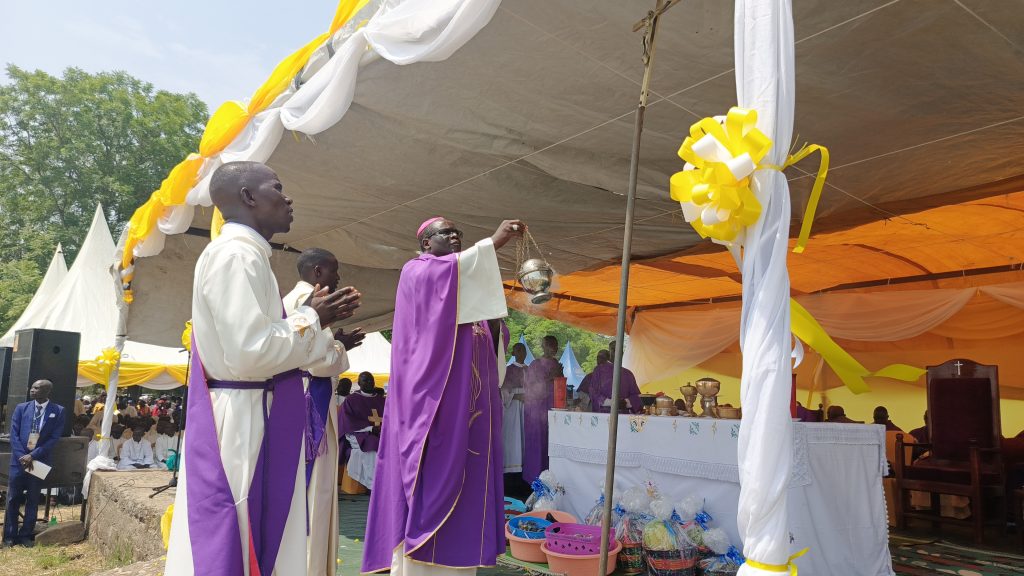
The Bishop of Roman Catholic Diocese of Lira, Sanctus Lino Wanok, who served as the main celebrant at the Mass attended by thousands of pilgrims, said the gathering was a moment to reflect on God’s great gift of faith. Pilgrims came from across the Gulu Ecclesiastical Province, which includes the dioceses of Gulu, Arua, Nebbi, and Lira (GANAL).

Bishop Wanok emphasized that the faithful did not gather by coincidence but through God’s grace and the strength of their faith. He explained that the pilgrimage commemorates the historic moment in 1910 when the Eucharist first reached Omach on the shores of the River Nile, brought by missionaries who traveled through the area carrying the Blessed Sacrament.

He noted that the Eucharist remains the center of Christian communion, strengthening believers in their faith and love for God and encouraging unity among people. The bishop urged Christians to nurture communion beginning within families and extending to society and the nation, as a path to achieving the peace and brotherhood that God desires.

Among those present at the celebration were the Archbishop of Roman Catholic Archdiocese of Gulu, Raphael p’Mony Wokorach, Archbishop Emeritus John Baptist Odama, Bishop Sabino Ocan Odoki of the Roman Catholic Diocese of Arua, Bishop Constantine Rupiny of the Roman Catholic Diocese of Nebbi, and Bishop Emeritus Joseph Franzelli of the Roman Catholic Diocese of Lira.

The annual Omach pilgrimage continues to be a powerful reminder of the roots of Christianity in the region and the enduring significance of the Eucharist in the life of the Church. As thousands gather each year to commemorate this historic moment, the celebration strengthens unity among believers and renews their commitment to faith, peace, and communal harmony.