English
 Arabic
 Chinese (Simplified)
 Dutch
 French
 German
 Italian
 Portuguese
 Russian
 Spanish


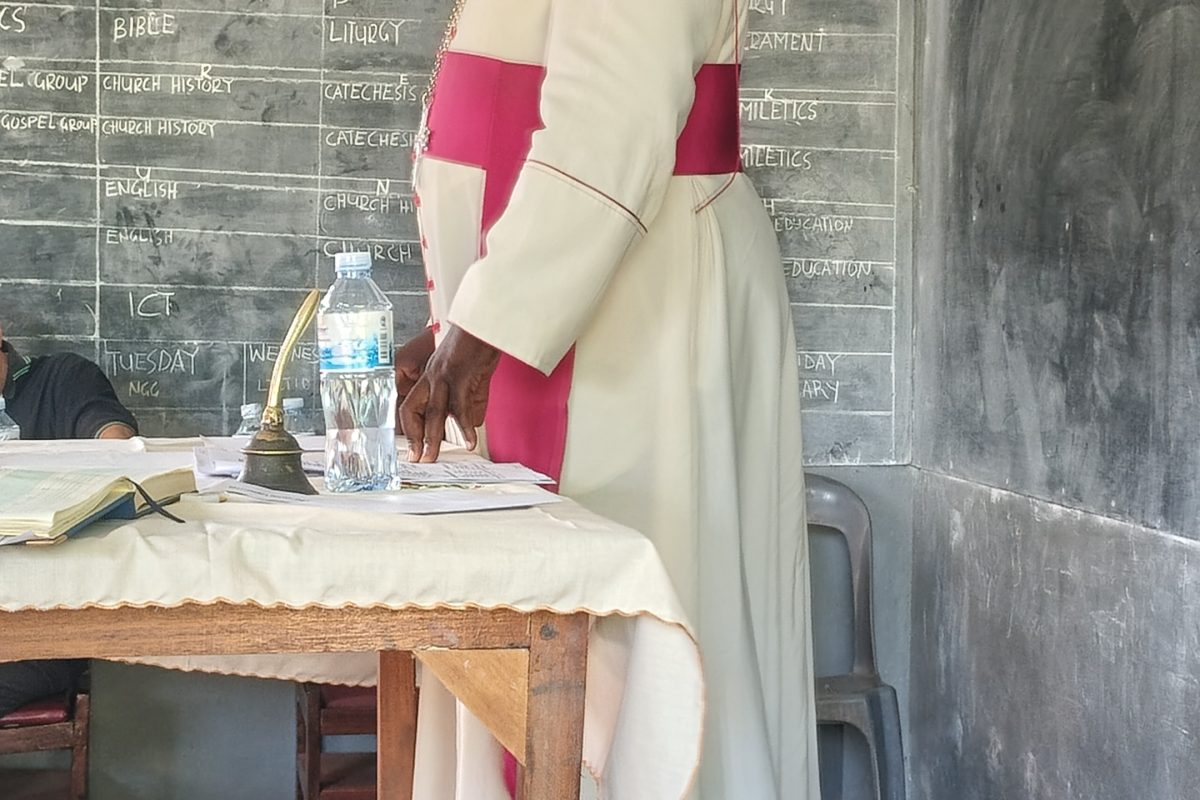
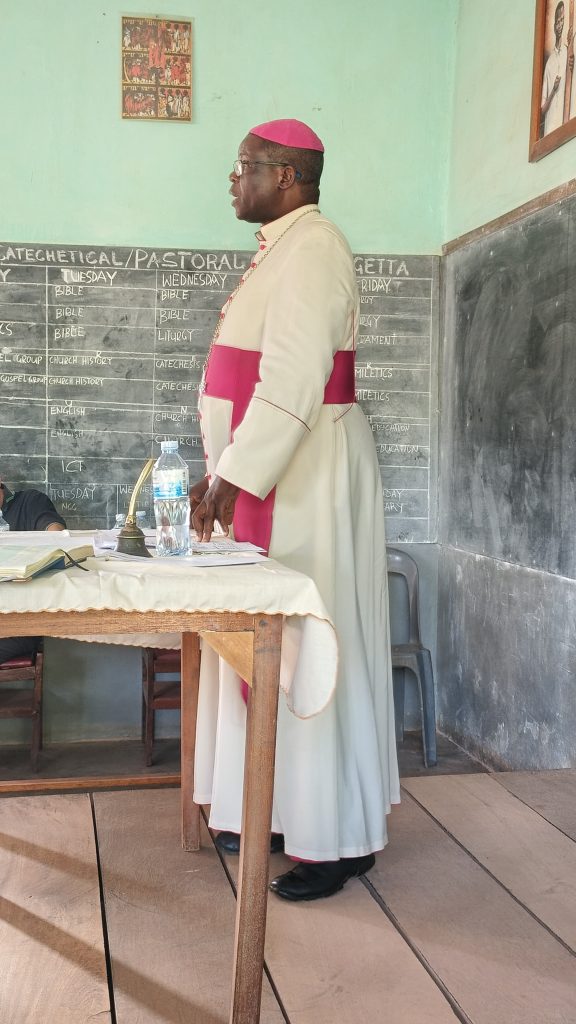
Presiding at the climax of the Diocesan Pastoral Council, Bishop Wanok drew inspiration from the First Reading (2 Samuel 7) and the Gospel of the day, inviting clergy, religious, catechists, pastoral agents, and lay delegates to embrace synodality as a spiritual posture before it becomes a pastoral programme.
By Fr. Isaac Ojok, Communications Office, Lira Diocese
Lira, 29 January 2026 — The Diocesan Pastoral Assembly 2026 of Lira Diocese came to a solemn and prayerful conclusion on 29 January 2026 with a deeply reflective homily delivered by Rt. Rev. Sanctus Lino Wanok, Bishop of Lira Diocese, during Holy Mass at St. John Bosco Catechetical and Pastoral Centre, Ngetta.
Presiding at the climax of the Diocesan Pastoral Council, Bishop Wanok drew inspiration from the First Reading (2 Samuel 7) and the Gospel of the day, inviting clergy, religious, catechists, pastoral agents, and lay delegates to embrace synodality as a spiritual posture before it becomes a pastoral programme.
A Council That Ends in Prayer, Not Just Resolutions
Reflecting on King David’s prayer — “Who am I, Lord God?” — the Bishop reminded the assembly that the most important fruit of a synodal Church is humility before God.
“David did not stand to command or rush to act; he sat before the Lord,” Bishop Wanok said. “In the same way, this diocese must always remember that it is not our project, but the Lord’s work.”
He emphasized that genuine synodality begins when Church leaders and communities learn to listen before deciding, pray before planning, and discern before acting. Without this spiritual foundation, he warned, pastoral resolutions risk losing their strength and durability.
God Builds the House
Referring to God’s response to David — “I will build a house for you” — the Bishop offered a powerful reminder that while planning and structures are necessary, the growth of the Church ultimately depends on God’s fidelity, not human effort alone.
As the Diocese embarks on its pastoral priorities for the next three to five years, Bishop Wanok urged a balance between human responsibility and divine initiative, cautioning that neglect of prayer leads to exhaustion, lack of listening breeds division, and forgetfulness of God’s promises leads to discouragement.
The People of God at the Centre
The Bishop highlighted that the Assembly reaffirmed a key teaching of the Second Vatican Council and Pope Francis: the Church is the People of God journeying together.
He underscored the Diocese’s commitment to deeper participation of the laity, a stronger role for women and youth, authentic listening at parish and Small Christian Community levels, and shared responsibility in mission.
“If our plans do not reach the grassroots, they remain theories,” he noted. “If leadership does not listen, it ceases to be pastoral.”

Placing the Lamp on the Lampstand
Drawing from the Gospel, Bishop Wanok challenged the Diocese to ensure that the outcomes of the Pastoral Council do not remain hidden.
“This council must not end in silence,” he said. “Its resolutions must be visible in action, witness, and accountability.”
He called for clear communication, honest evaluation, humble correction, and grateful celebration of progress, stressing that a synodal Church does not fear the light but walks in it.
A Way of Walking Together
In his concluding message, the Bishop reminded the faithful that synodality is not a one-time event but a way of life. He encouraged ongoing discernment, unity in diversity, and perseverance against fatigue and division.
Ending with a prayer of blessing inspired by David’s words, Bishop Wanok entrusted every parish, pastoral worker, family, and Small Christian Community to the Lord’s promise.
“May Lira Diocese be a listening Church, a missionary Church, a humble Church, and a truly synodal Church,” he prayed. “May we always have the courage to sit before the Lord and the faith to place the lamp on the lampstand.”
The Diocesan Pastoral Assembly 2026 thus concluded not merely with plans for the future, but with a renewed call to walk together in faith, humility, and mission.
In his closing announcements, Bishop Sanctus Lino Wanok further informed the assembly that the next Diocesan Pastoral Council will take place during the third week of January 2027, calling upon all pastoral agents, institutions, and parish communities to begin preparing through prayer, reflection, and faithful implementation of the resolutions adopted at the 2026 Assembly.
End