 English
 Arabic
 Chinese (Simplified)
 Dutch
 French
 German
 Italian
 Portuguese
 Russian
 Spanish


Prime Minister Robinah Nabbanja has contributed Shs20 million towards the renovation of St. Francis Xavier Catholic Church in Dokolo District, as the parish appealed for greater support towards restoring the historic church and improving other parish facilities.
By Flavia Oyuu, Communications Office, Lira Diocese
The contribution was announced on Saturday, 26 September 2026, during a fundraising function held at St. Francis Xavier Catholic Church, where the Prime Minister was Guest of Honour.
Her message was delivered by the Minister for Relief, Disaster Preparedness and Refugees, Hon. Sam Engola, who said the Prime Minister had reaffirmed her commitment to supporting Church-led development initiatives and projects aimed at improving communities.
Hon. Engola, who is also the Member of Parliament for Erute South, further pledged to support efforts to mobilise the resources needed to complete the renovation of the church sanctuary. He also said he would work towards inviting President Yoweri Kaguta Museveni to the church.
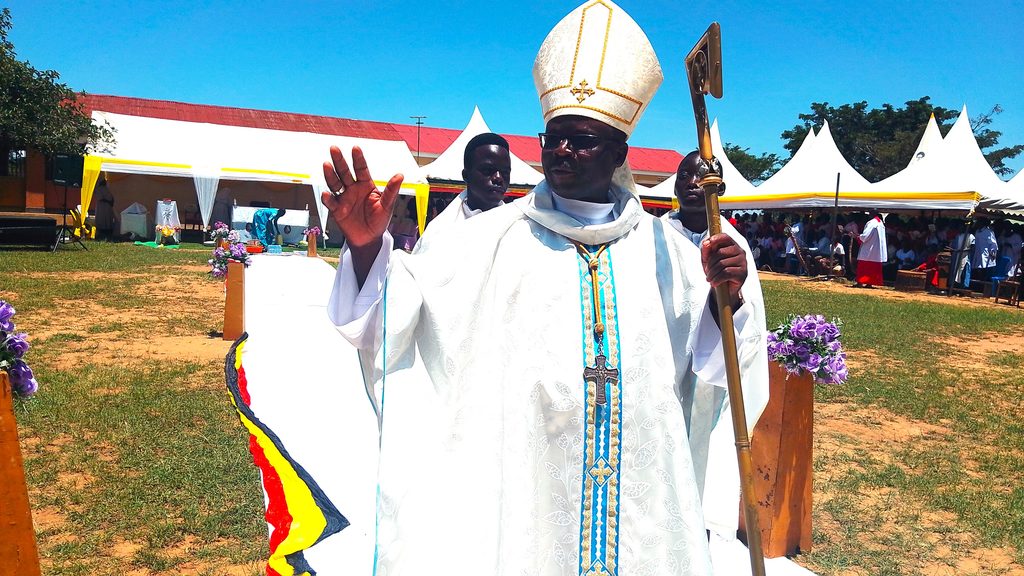
The Bishop of Lira Diocese, Rt. Rev. Sanctus Lino Wanok, who was the main celebrant, used his homily to remind Christians that the physical development of the Church should not be left entirely to external supporters.
Bishop Wanok emphasised that the responsibility of renovating and developing church buildings also belongs to the local Christian community. He encouraged the faithful to take an active role in supporting the renovation of their sanctuary, describing personal financial contributions as an expression of faith, unity and communion.
A Church With a Long History
St. Francis Xavier Catholic Church has a history dating back to 1958. The church was established on 1 October 1958 by the Parish Priest of Lwala Catholic Parish, following the establishment of Lwala Parish by Soroti Diocese.
The church had earlier been under the Archdiocese of Tororo, which later established Soroti Catholic Diocese. The first parish priest of Dokolo was Fr. Joe Delthy, later named Fr. Ocen Delley, a Mill Hill Missionary priest. The parish was opened by Bishop Monk Grift of Tororo Diocese.
In 1962, the Verona Fathers deployed Fr. Joseph as the first Verona Father to serve in Dokolo. He served there from 1962 to 1969 and supervised the construction of the present church building, with assistance from Brother Pendin, an Italian brother, who took part in the construction works.
The historic church building now requires renovation, prompting the parish to appeal for support towards its refurbishment.
Appeal for Support to the Vocational School
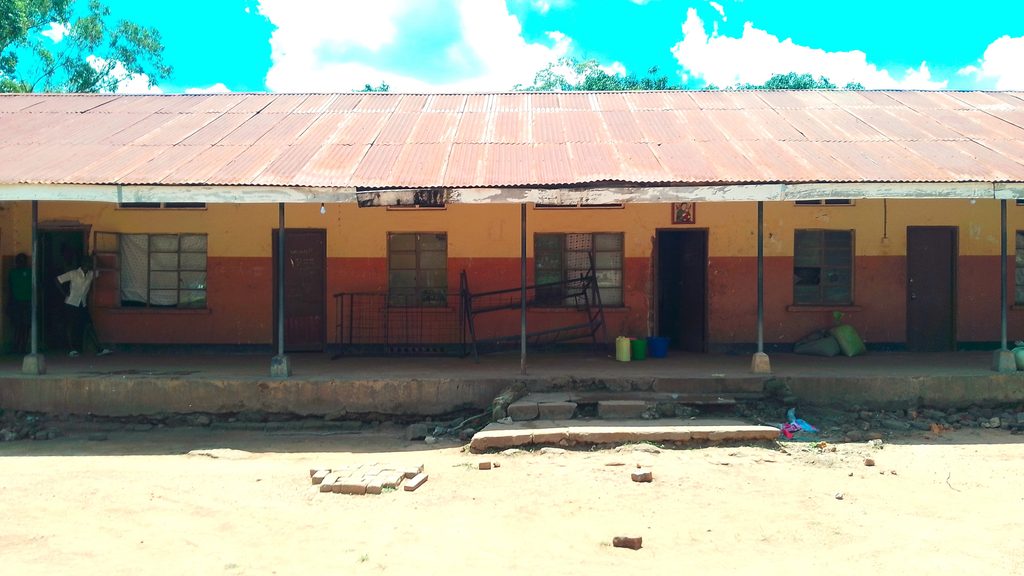
The parish also used the occasion to highlight the needs of St. Francis Vocational Training School, which was established by Dokolo Catholic Parish and currently has about 500 students.
The institution offers practical skills in areas including carpentry and joinery, block and concrete practice, tailoring, electrical and motor vehicle maintenance, welding and hairdressing.
The vocational school is part of the parish’s effort to equip young people with practical skills and contribute to employment creation. However, the institution relies largely on limited contributions from parents, which the parish says are insufficient to meet its needs.
Among the key challenges are accommodation for students and instructors, as well as the need for additional dormitories, sanitary facilities and classrooms.
The parish therefore appealed to the Government of Uganda not only to support the renovation of the church, but also to consider grant-aiding the vocational school.

Leaders Pledge Support
Dokolo District LCV Chairperson Peter Ogwang pledged administrative support to ensure that the development of churches in the district proceeds smoothly.
Ogwang said the district administration would work to address bureaucratic and administrative challenges that could create disagreements between the district authorities and Church leadership and potentially delay development projects.
The Dokolo North County Member of Parliament, Hon. Joseph Jones Ogwal, and the Dokolo South County Member of Parliament, Hon. Vincent, each contributed Shs1 million towards the renovation of the church.
The two legislators also pledged to continue supporting Church development initiatives in the district.
Hon. Engola also highlighted his recent support to Catholic clergy in the region, saying he had donated several new vehicles to parish priests and other clergy members to facilitate their pastoral work and improve mobility.
The fundraising function also marked the beginning of preparations for the parish’s planned platinum celebration, commemorating 75 years of the Church’s existence.
The parish continues to appeal to Christians, government, well-wishers and other partners to support the renovation of the historic church and the development of its vocational training institution.
End
