en English
ar Arabiczh-CN Chinese (Simplified)nl Dutchen Englishfr Frenchde Germanit Italianpt Portugueseru Russianes Spanish
What are you looking for?

Yearly Archives: 2026

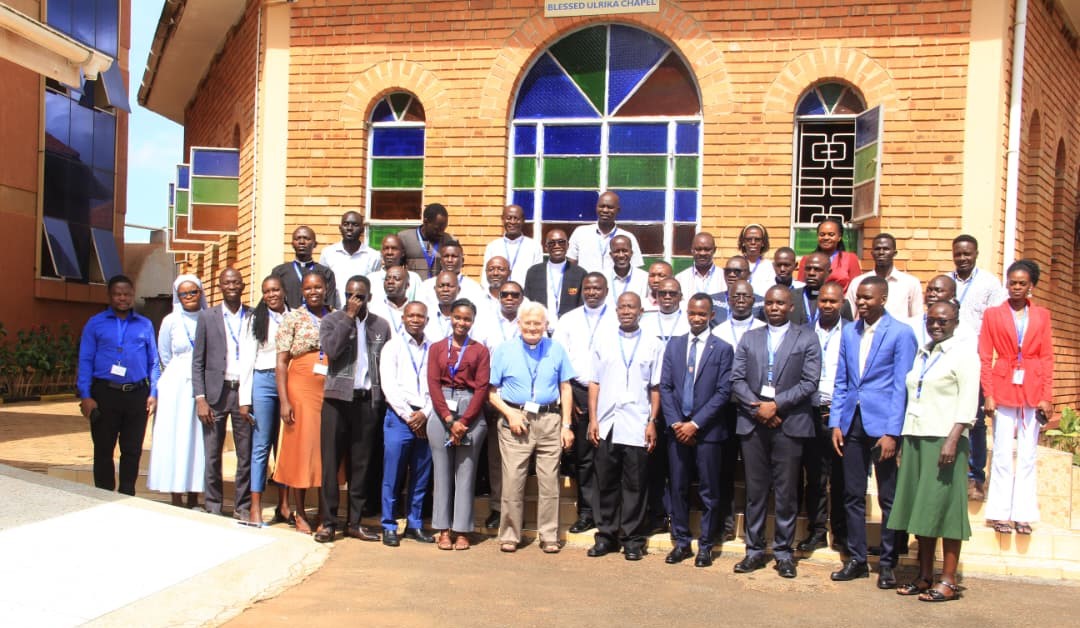
Catholic Communicators Gather in Kisubi for National Training on AI and Evangelization

The week-long training, which brings together participants from the 19 dioceses of the country, is being held under the theme “Preserving Human Voices and Faces,” the message of His Holiness Pope Leo XIV for the 60th World Day of Social Communications to be celebrated on May 17, 2026.

By Flavia Oyuu, Communications Office, Lira Diocese

Catholic communicators from across Uganda are gathered at Ulrika Guest House in Kisubi for the 2026 National Social Communications Training taking place from April 21st to 26th, with a renewed call to strengthen their mission of evangelization in today’s digital age.

The week-long training, which brings together participants from the 19 dioceses of the country, is being held under the theme “Preserving Human Voices and Faces,” the message of His Holiness Pope Leo XIV for the 60th World Day of Social Communications to be celebrated on May 17, 2026.

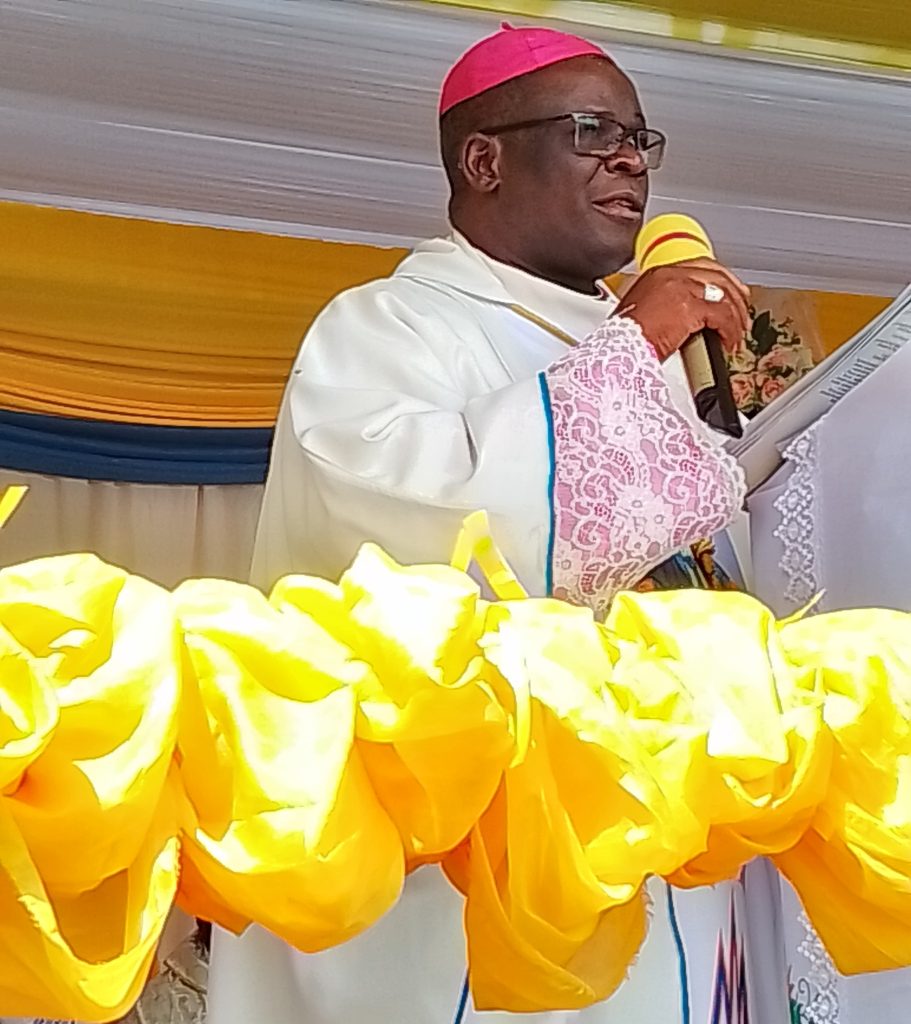
In his opening remarks, the Bishop Emeritus of Lira Diocese and Chairperson of the Social Communications Commission at the Uganda Episcopal Conference, Bishop Joseph Franzelli, encouraged communicators to embrace Artificial Intelligence and other digital tools with a clear pastoral purpose.

He noted that the training, facilitated by Kearlmark Consults, is intended not merely to build personal skills, but to strengthen communication apostolates within dioceses.

“What we learn here is not just for personal education, but to be applied back home in our dioceses for a better service to our people,” he said.

The Bishop urged participants to translate the knowledge gained into concrete action within their dioceses, building on previous trainings to ensure meaningful growth in communication efforts.

“We learn a lot of good things, but often people go home to continue work as usual… and that is how it should never be.”

He further emphasized the responsibility of Catholic communicators to provide timely, accurate, and balanced information in a rapidly evolving world.

“Our people need timely and balanced information, it is our mission to enlighten them.”

Highlighting the identity of Catholic media, Bishop Franzelli called for communication that reflects Gospel values and promotes peace and fraternity.

“This is what our communication is meant to be, a different communication, portraying the vision of peace and fraternity of the Church.”

He also underscored the importance of unity and collaboration among communicators, noting that a shared vision strengthens the Church’s impact.

“If we are united, then we shall have a greater impact.”

Meanwhile, the National Executive Secretary for Social Communications, Rev. Fr. Philip Odii, welcomed participants and reaffirmed the vital role of communicators in the life of the Church.

He described communication as a ministry through which the voice of Christ reaches the faithful.

“We gather as one family of communicators, united in our shared mission of proclaiming the Good News, your work ensures that the voice of the Church is vibrant, credible, and present.”

Fr. Odii commended communicators for their dedication and sacrifice, noting the influence of their work on the wider community.

“Very many people depend on what we talk, what we write, what we post, it is the voice of Christ through us.”

The training focuses on equipping participants with skills in leveraging Artificial Intelligence to enhance productivity and effectiveness in Catholic media institutions, while safeguarding the human dignity at the heart of communication.

The annual gathering continues to serve as a key moment of reflection, formation, and renewal for Catholic communicators in Uganda, as the Church strengthens its media apostolate in an increasingly digital world.

End
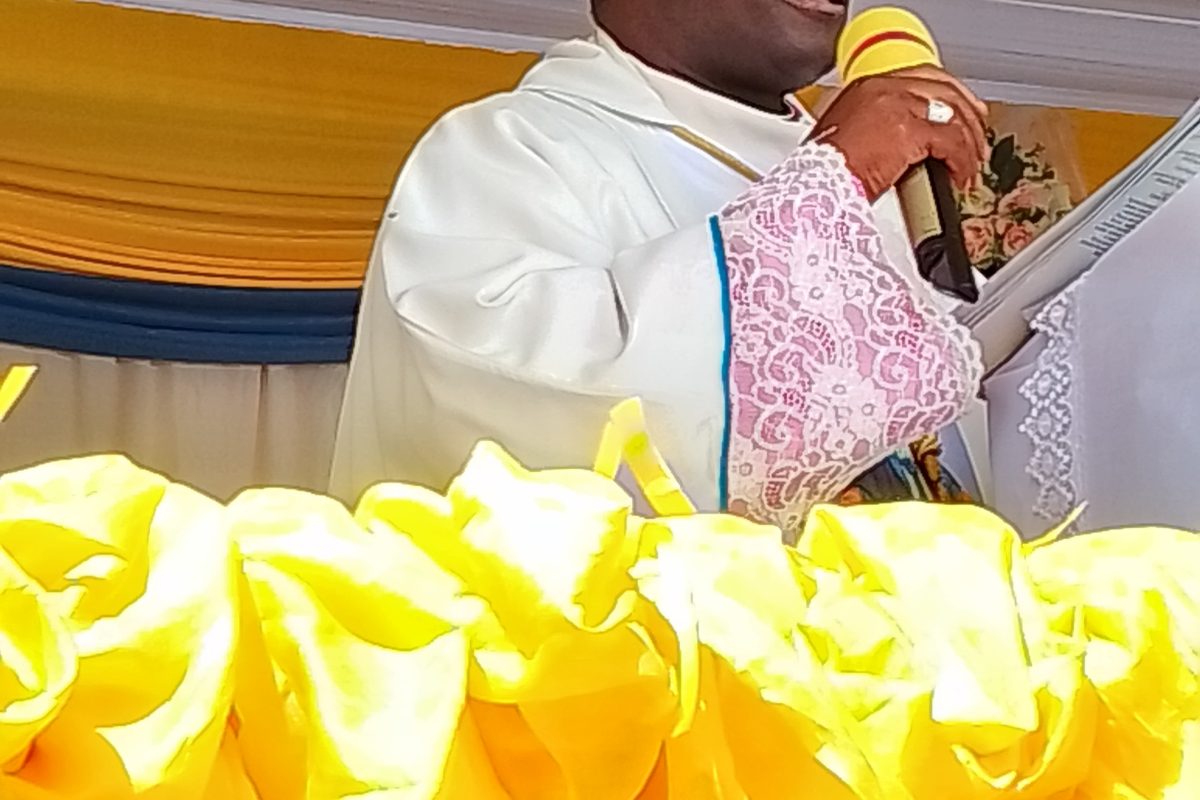
Christians Urged to Seek Holiness Through Daily Work

By Fr. Isaac Ojok, Communications Office, Lira Diocese

A call has been made to Christians to transform their understanding of work, emphasizing that labor should go beyond the pursuit of material gain and instead serve as a path to holiness and eternal life.

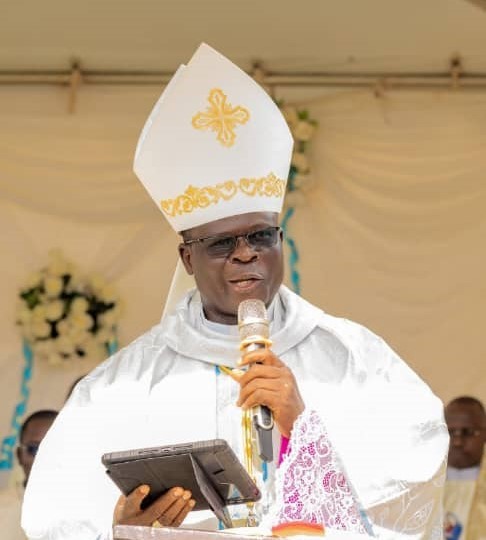
The Rt Rev. Sanctus Lino Wanok, Bishop of Lira diocese drawing his message from Scripture, particularly John 6:27–28, reminded believers that, having committed their lives to the risen Lord, they are called to work not merely for perishable rewards such as salary, recognition, or power, but for “food that endures for eternal life.”

The bishop emphasized that daily work is one of the primary means through which God sanctifies His people, making them holy as He is holy. He noted that regardless of financial reward, Christians are encouraged to remain faithful in their duties, viewing work as part of God’s plan for their spiritual growth.

He outlined guiding principles for Christian workers, including refraining from unnecessary work on Sundays, serving sincerely rather than for outward approval, working wholeheartedly, respecting employers, and carrying out all responsibilities as service to Christ.

The message concludes by urging believers to do everything for the glory of God, reinforcing that faith should shape every aspect of life, including professional responsibilities.

“Praise be to Jesus Christ,” Bishop Wanok affirmed.

End

Bishop Wanok Launches Synodal Way During Pastoral Visit to UTC Chapel, Lira.

In his address, the bishop expressed gratitude for the warm welcome and invited all present to reflect deeply on the Word of God as both a message and a path for the Church today.

By Fr. Isaac Ojok, Communications Office, Lira Diocese

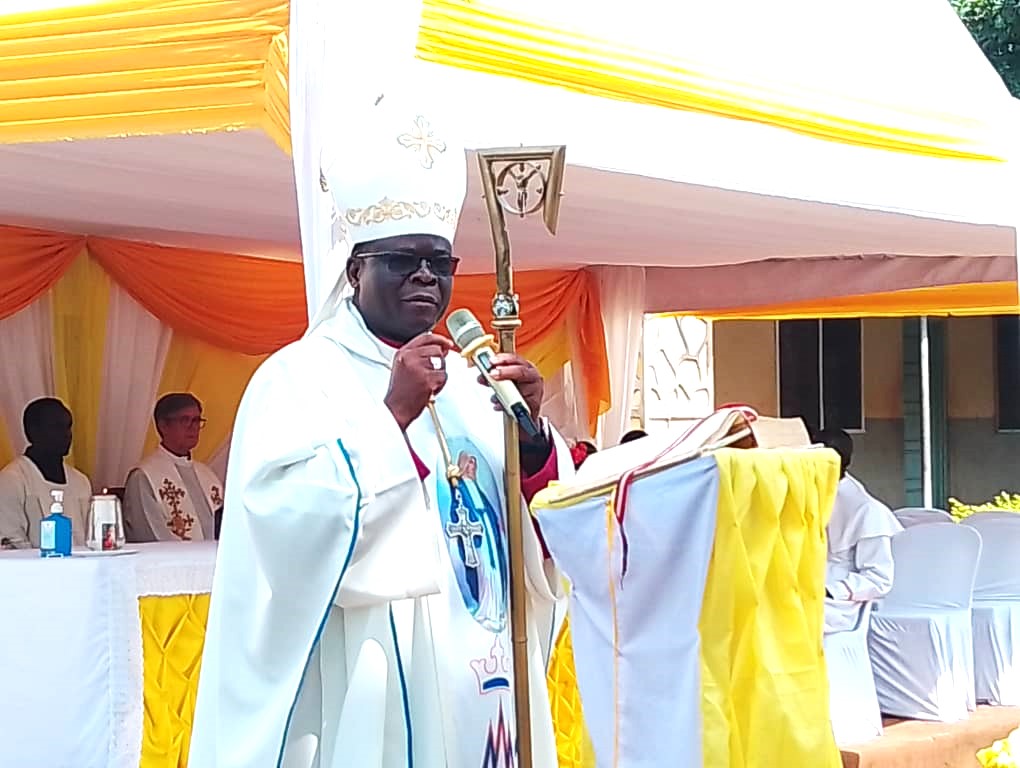
The Bishop of Lira Diocese, Rt. Rev. Sanctus Lino Wanok on Sunday 19th April 2026 made a pastoral visit to UTC Chapel, a community under St. Jude Sub-Parish, Ojwina. The visit marked a significant moment of encounter with the faithful and the official launch of the Synodal Way in the community.

In his address, the bishop expressed gratitude for the warm welcome and invited all present to reflect deeply on the Word of God as both a message and a path for the Church today.

Drawing from the Gospel account of the journey to Emmaus, he highlighted how the two disciples, discouraged and disheartened, encountered the Risen Christ walking alongside them, even though they did not immediately recognize Him. This, he explained, is the foundation of the synodal journey: the assurance that Christ walks with His people. “We are not walking alone,” he emphasized.

The bishop described the Synodal Way as a movement from isolation to communion, from discouragement to renewed mission, and from individual paths to a shared journey. He encouraged the faithful to reflect on whether their communities truly walk together, listen to one another, and include those who may feel left out.

A central theme of the message was the importance of listening. Just as Jesus first listened to the disciples on the road, the Church today is called to become a listening Church. The bishop underscored that listening is not a weakness but a divine way of engaging with others, especially those who feel forgotten or unheard.

He further stressed that the journey must remain firmly rooted in the Word of God. Referencing the proclamation of Peter in the Acts of the Apostles, he reminded the congregation that truth, not opinion, must guide the Church. The Scriptures, he noted, bring clarity, direction, and renewal, just as they caused the hearts of the disciples to “burn within them.”

The Eucharist was presented as the heart of the synodal journey. It was in the breaking of the bread that the disciples recognized Christ. In the same way, the Church today encounters Him most fully in the Eucharistic celebration. Without returning to the altar, the bishop cautioned, the journey remains incomplete.

The message culminated in a call to mission. Like the disciples who immediately returned to Jerusalem to share the Good News, the faithful are called to become witnesses of the Resurrection. The Synodal Way, he explained, is not only about walking together and listening, but also about being sent forth with purpose and joy.

Offering practical guidance, the bishop encouraged families to pray and listen to one another, parishes to foster active participation and inclusivity, and Church leaders to embrace humility and collaboration. All the faithful were urged to remain close to the Word of God, faithful to the Eucharist, and ready to bear witness in their daily lives.

He concluded by reminding the congregation that the Synodal Way is not a new invention but a rediscovery of the Church’s earliest experience, Christ walking with His people, hearts set ablaze by the Word, eyes opened in the Eucharist, and lives transformed for mission.

The celebration ended with a prayerful invitation echoing the words of the disciples: “Stay with us, Lord.” With Christ at the center, the Church continues its journey as a community of communion, participation, and mission.

End

Bishop Wanok Amplifies Catholic Bishops’ Calls for Release of Political Detainees and National Renewal

By Pelegrine Otonga, News Editor, Radio Wa

The Bishop of Lira Diocese, Rt. Rev. Sanctus Lino Wanok, has renewed the Catholic Church’s appeal for the release of individuals detained on political grounds.

While delivering his homily during Easter Mass at Uganda Martyrs Lira Cathedral, Bishop Wanok referenced the 2026 Easter Pastoral Message issued on April 4 at the Uganda Catholic Secretariat. The message highlighted ongoing national concerns, including deaths, injuries, trauma, and the continued detention of some citizens linked to political processes.

The pastoral message was presented by the Chairman of the Uganda Episcopal Conference, Bishop Joseph Anthony Zziwa, who called on Ugandans to embrace repentance, forgiveness, and unity.

Echoing this message, Bishop Wanok emphasized that the political season has passed and urged authorities to release political detainees, promote justice, and prioritize peaceful dialogue as a foundation for nation-building in the spirit of the resurrection of Jesus Christ.

He noted that Northern Uganda is still healing from the scars of political and tribal divisions, stressing the importance of the upcoming Provincial Prayer Peace Week to be hosted in Lira City. The gathering will bring together participants from West Nile, Acholi, Teso, and Karamoja to foster reconciliation, forgiveness, and lasting peace. Bishop Wanok added that the true spirit of Easter will be demonstrated through local families hosting pilgrims in their homes, rather than in institutions or hotels.

However, the bishop also expressed concern over Uganda’s ranking among countries with high levels of corruption and alcohol abuse. He urged Christians to reflect Christ-like values of love, peace, and self-control.

As Easter symbolize new life and renewal, Bishop Wanok’s message calls on both leaders and citizens to rise above division and injustice, embracing reconciliation, accountability and moral transformation for a more united and peaceful Uganda.  

END

Exorcism: Understanding a Delicate Sacramental Practice

In our ongoing reflection on sacramentals, we turn to one of the most sensitive and often misunderstood practices in the Church exorcism. What does it truly mean, and how does the Church approach it with wisdom and caution?

By Fr. Constanz Opiyo, Secretary, Doctrinal Commission

What is Exorcism?

Exorcism is a specific form of prayer used by the Church against the power of the devil. It involves invoking the authority of God to drive out or ward off demons or evil spirits from persons, places, or objects believed to be under their influence or at risk of such influence.

At its core, exorcism is an authoritative appeal in the name of God, commanding the evil spirit to depart from the afflicted subject. The term exorcism comes from the Greek exorkizo, meaning “to adjure” or “to bind by oath,” as reflected in biblical usage (cf. Gen 24:3; 1 Kgs 22:16).

Forms of Exorcism

The Church recognizes two main forms of exorcism, each with a distinct purpose:

1. Major (Solemn) Exorcism

This form is performed only in cases of confirmed demonic possession. It is carried out by a priest specifically appointed by the bishop (cf. Canon 1172).

  • It follows an official and solemn rite of the Church.
  • Its purpose is to liberate a person fully under demonic control.
  • Due to its sensitive nature, each diocese typically designates a trained priest as an official exorcist.
  • Lay persons are never permitted to perform solemn exorcism.

2. Minor (Simple) Exorcism

This form is more common and occurs within the Church’s ordinary sacramental life:

  • It is part of the rite of Baptism and the Rite of Christian Initiation of Adults (RCIA).
  • It is accompanied by the anointing with the oil of catechumens, symbolizing protection against evil.
  • Its purpose is preventive, to protect individuals from the oppressive influence of the devil.

In pastoral situations, a priest may also use minor exorcism prayers when there is suspicion of oppression. These typically include:

  • Sacramental confession (where possible)
  • Renewal of baptismal promises (renouncing Satan and professing faith)
  • Prayer for deliverance (deprecative prayer)
  • Optional imperative prayer, always preceded by petitionary prayer
  • Sprinkling with holy water and blessed salt
  • A concluding prayer

Major vs. Minor Exorcism

The difference lies primarily in their purpose:

  • Major exorcism addresses demonic possession, where an evil spirit takes control of a person’s body and actions.
  • Minor exorcism addresses demonic oppression, where a person remains in control but experiences external spiritual attacks or disturbances.

Biblical Foundation

The belief in demonic activity is rooted in Scripture, which teaches that demons are fallen angels who rebelled against God (cf. Is 14:12–15; 2 Pt 2:4; Rev 12:7–9).

  • In the Old Testament, we find examples such as the deliverance of Sarah in the Book of Tobit (cf. Tb 6:8) and the troubled state of King Saul (cf. 1 Sam 16:14–23).
  • The New Testament provides numerous accounts of Jesus casting out demons. Notably:
    • Jesus exercised authority directly, without invoking a higher power.
    • He entrusted this authority to His disciples (cf. Mk 9:14–29).
    • Prayer and fasting are highlighted as essential in spiritual battles.

Scripture also records failed attempts at exorcism, such as the case of the sons of Sceva (cf. Acts 19:13–16), emphasizing that true authority comes from a genuine relationship with Christ.

Exorcism in the Life of the Church

The Catechism of the Catholic Church teaches that:

  • Demons are real but limited creatures, subject to God’s authority (cf. CCC 391–414).
  • Christ has already triumphed over evil, and He shares this victory with the Church.

In the early Church, exorcism was practiced more widely, even among lay Christians. However, over time, the Church restricted it to trained and authorized priests to ensure:

  • Proper discernment
  • Spiritual preparedness
  • Protection from potential harm

This restriction is not a denial of the spiritual power given in baptism, but a pastoral safeguard, recognizing the seriousness of confronting evil.

Pastoral Cautions and Attitudes

Given the delicate nature of exorcism, the Church urges careful discernment:

  1. Do not deny the reality of evil
    Ignoring the devil’s existence can leave one spiritually vulnerable.
  2. Avoid exaggerating the devil’s power
    Fear and obsession can lead to spiritual imbalance. God remains sovereign.
  3. Distinguish between mental illness and possession
    Medical evaluation is essential before any exorcism is considered.
  4. Do not attribute all sickness to demonic causes
    Many conditions require medical, not spiritual, intervention.
  5. Guard against superstition
    Exorcism is not magical. It requires faith, humility, and dependence on God.
  6. Respect Church authority
    Only priests authorized by the bishop may perform exorcism.
  7. Follow the established rite
    Exorcism is a liturgical act, not a spontaneous or improvised prayer.

Conclusion

Exorcism reminds us that the Christian life involves a real spiritual struggle. Yet it also proclaims a deeper truth: Christ has already conquered evil. The Church, through sacramentals and sacramental life, continues to share in that victory.

As believers, we are called not to fear, but to live in faith, vigilance, and trust in God’s power.

Coming Next:
Healing and Deliverance Ministry

Have questions on sacramentals? Send them in to enrich this series.

End