en English
ar Arabiczh-CN Chinese (Simplified)nl Dutchen Englishfr Frenchde Germanit Italianpt Portugueseru Russianes Spanish
What are you looking for?

Category Archives: Religious

Christians in Lira Diocese Urged to Rediscover the Original Purpose of the Catholic Charismatic Renewal

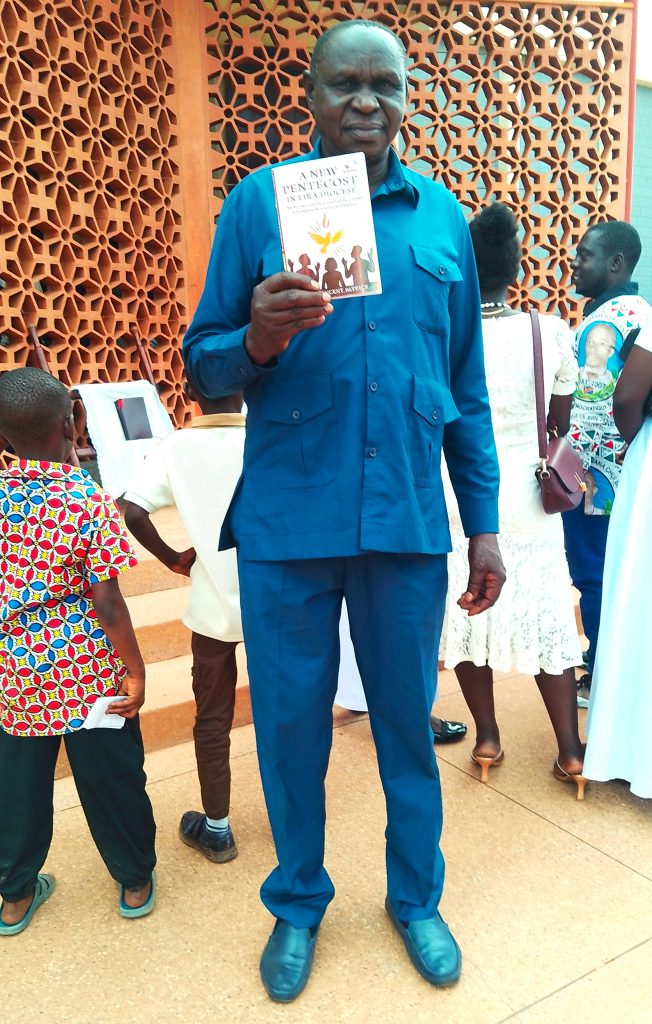
Reflecting on the current challenges facing the Church such as lukewarm faith, a weak sacramental life, and a decline in personal holiness, Mr. Muge expressed hope that his book would help readers rediscover the teachings of the Church and inspire them to live lives rooted in love, unity, holiness, and commitment to the Word of God.

By Flavia Oyuu, Communications Office, Lira Diocese

Christians in Lira Diocese have been called upon to return to the original purpose of the Catholic Charismatic Renewal (CCR) as a way of deepening their faith and revitalizing spiritual life within the Church.

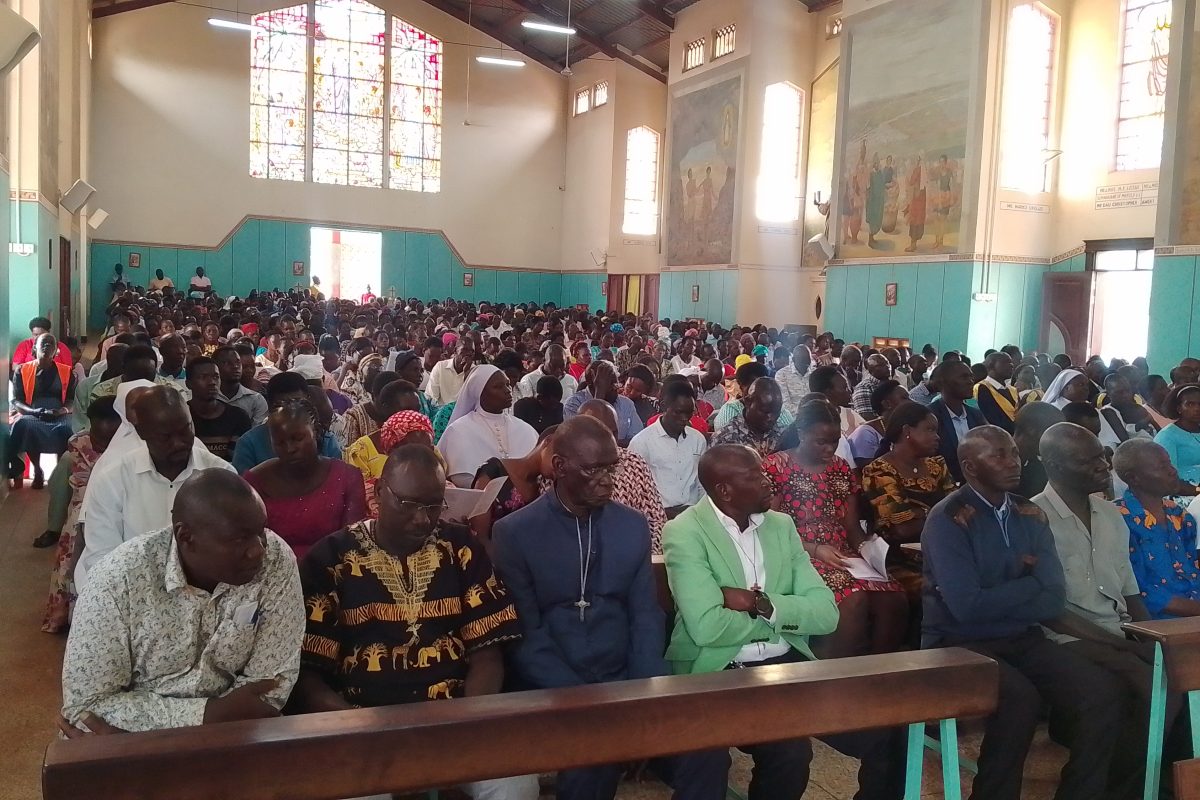
The call was made by Mr. Muge Vincent Patrick, a member of the Catholic Charismatic Renewal in Lira Diocese, during the launch of his book A New Pentecost in Lira Diocese. The book was officially launched on 8th February, 2026  at Uganda Martyrs Cathedral, Lira.

Mr. Muge noted with concern that many Catholics in the Diocese have gradually drifted away from the original vision of the CCR, largely due to a lack of knowledge about its history and foundation. He explained that the Catholic Charismatic Renewal emerged as an answer to a prayer made by Pope John XXIII, who, upon recognizing a deep spiritual need within the Church, prayed fervently for a renewed outpouring of the Holy Spirit, a “new Pentecost.”

He further explained that the CCR was introduced to Lira Diocese in January 1997 through the Teso region. However, many young people today, he observed, are unaware of the sacrifices and struggles faced by the early members. At the time, CCR members endured persecution and rejection, among others, as many people mistakenly believed the movement to be a different religion rather than an expression of Catholic faith.
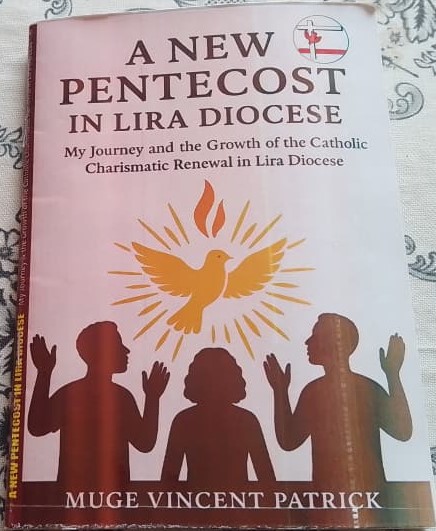
Reflecting on the current challenges facing the Church such as lukewarm faith, a weak sacramental life, and a decline in personal holiness, Mr. Muge expressed hope that his book would help readers rediscover the teachings of the Church and inspire them to live lives rooted in love, unity, holiness, and commitment to the Word of God.

He emphasized that the Catholic Charismatic Renewal was founded precisely to promote holiness, foster love and unity, and encourage the proclamation of the Word of God within the life of the Church.

Mr. Muge also recalled that Pope John XXIII, during the Second Vatican Council (1962–1965), earnestly prayed for a new Pentecost in response to challenges such as spiritual complacency, declining sacramental life, loss of devotion to holiness, and growing secularism. This prayer, he noted, was answered on February 18, 1967, when a group of students and professors at Duquesne University in Pittsburgh, USA, experienced a powerful outpouring of the Holy Spirit during a retreat an event widely regarded as the beginning of the Catholic Charismatic Renewal.
Consecrated Life Called to Be a Light of Healing and Hope, Bishop Wanok Says

Drawing from the prophecy of Malachi, Bishop Wanok reminded the faithful that the Lord “enters His temple quietly and humbly, yet with power to purify.” He emphasized that consecrated life is not merely a memory or a collection of activities, but a living mystery in which men and women allow God to continually refine their lives.

By Flavia Oyuu, Communications Office, Lira Diocese

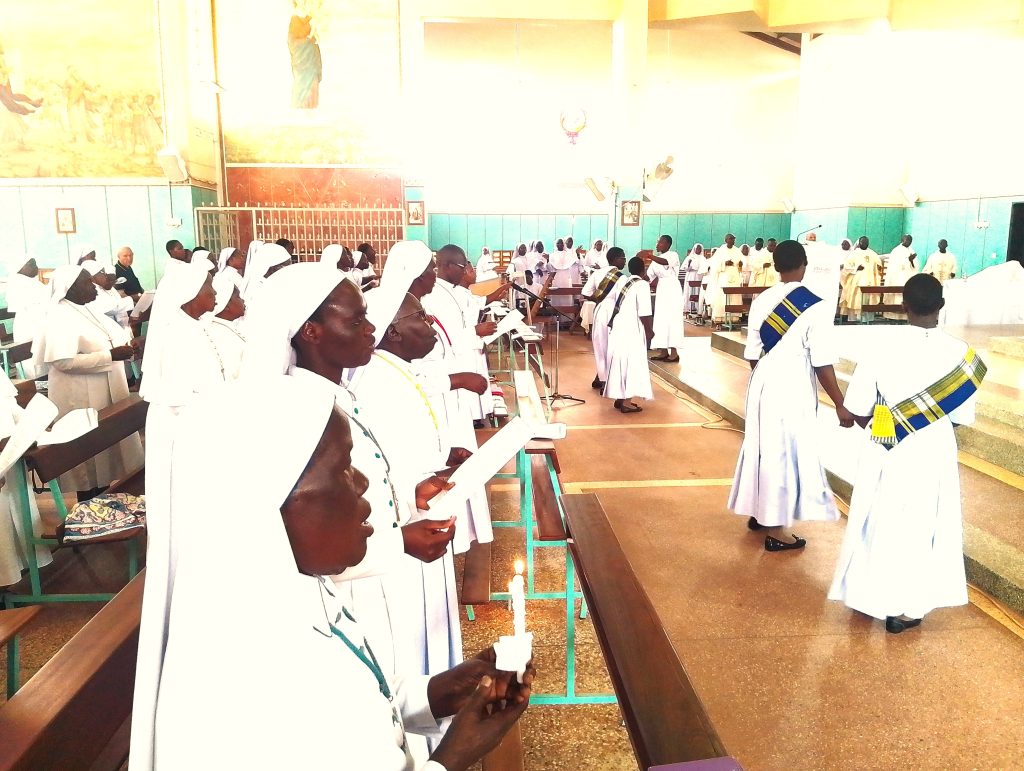
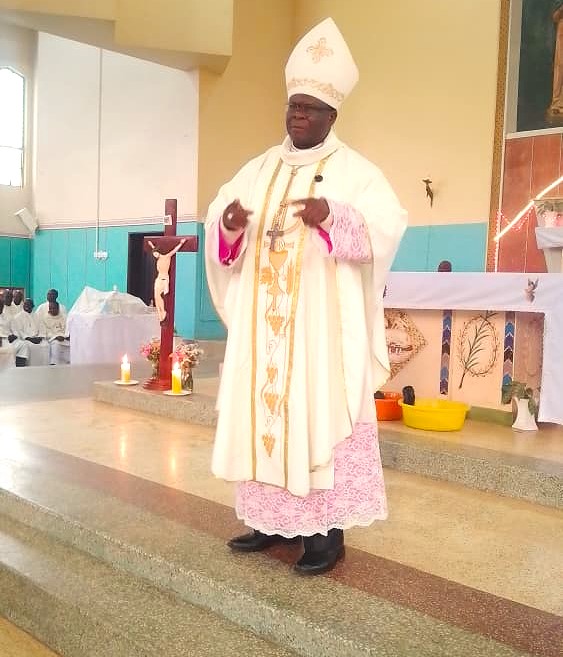
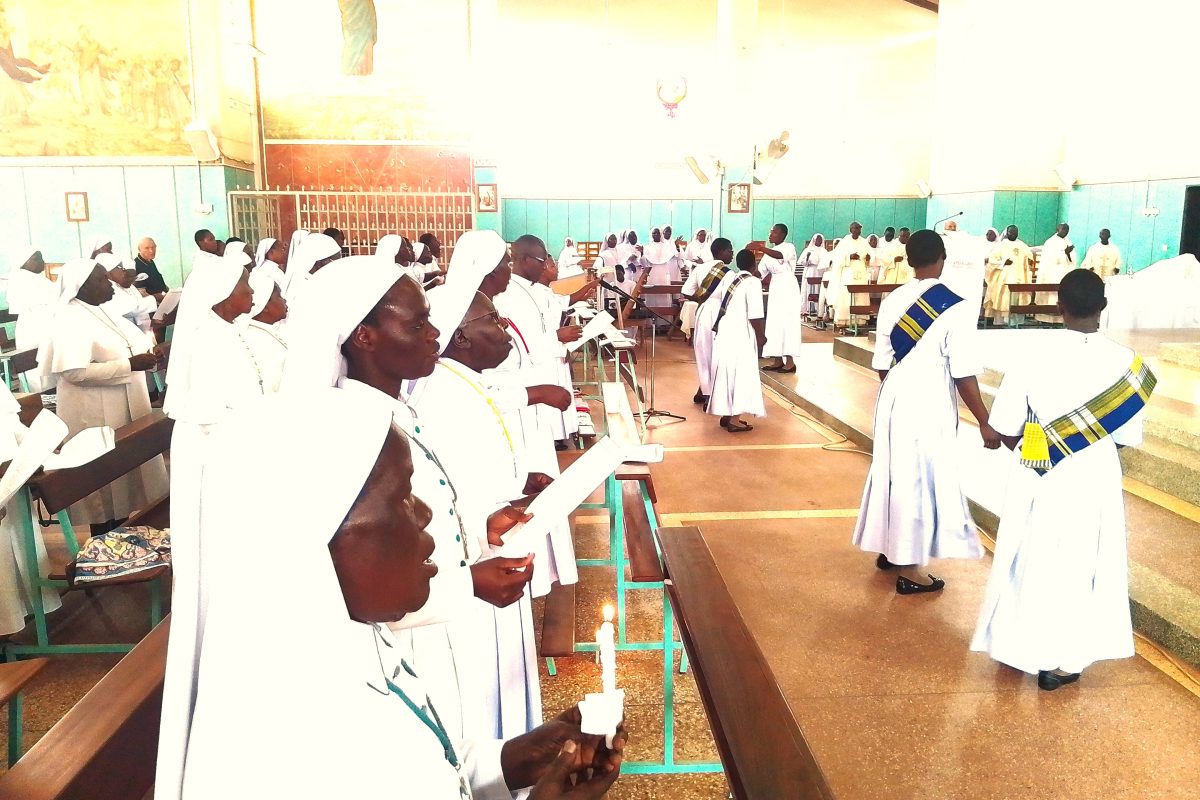
Lira, Uganda – Rt. Rev. Sanctus Lino Wanok, Bishop of Lira Diocese, has called on consecrated men and women to live as a listening, faithful, and healing presence among God’s people, especially in communities marked by suffering, poverty, and the wounds of past conflict.

He made the call while presiding over a liturgical celebration for consecrated persons in Lira Diocese, where he reflected on the meaning of consecrated life in light of the Feast of the Presentation of the Lord.

Drawing from the prophecy of Malachi, Bishop Wanok reminded the faithful that the Lord “enters His temple quietly and humbly, yet with power to purify.” He emphasized that consecrated life is not merely a memory or a collection of activities, but a living mystery in which men and women allow God to continually refine their lives.

“The coming of the Lord is not neutral,” he noted. “His presence disturbs, changes, and purifies. Consecrated life begins by standing before God and allowing Him to purify us again and again.”

Referring to the history of Lira and the wider Lango sub-region, the Bishop acknowledged the deep scars left by years of war, poverty, broken families, and overstretched institutions. He said consecrated men and women are placed by God at the heart of these wounded communities as witnesses of hope and healing.

“You are placed in this temple as a sign of what God is doing among His people,” he said.

Reflecting on the Gospel figures of Simeon and Anna, Bishop Wanok described them as symbols of a listening and discerning Church. Though not powerful or prominent, Simeon and Anna recognized the Lord because they remained faithful in prayer and attentive to the Holy Spirit.

“This is the image of a synodal Church,” he said, “a Church that listens, discerns, and walks together across generations.”

He emphasized that synodality is not a program imposed from outside, but a spirituality deeply rooted in the Gospel and reflected in African cultural values of communal wisdom and patient listening. He challenged consecrated persons to model these values so that communities may rediscover their identity and dignity.

Touching on the offering of Mary and Joseph, who presented Jesus with two turtle doves, the Bishop said the simplicity of their offering speaks powerfully to consecrated life today, especially in contexts of limited resources and fragile vocations.

“The Lord does not ask for what we do not have,” he said. “He asks for faithfulness. Synodality means offering what we have together.”

Bishop Wanok also acknowledged the hidden sacrifices of consecrated life, including misunderstanding, loneliness, and unrecognized service. He described these challenges as the “sword” spoken of by Simeon, painful, yet revealing hearts and opening the way for salvation.

“Your life is light,” he told the consecrated men and women. “Light does not argue or oppose; it reveals. Even when no one applauds, your faithful presence speaks.”

He concluded by encouraging consecrated persons to renew their commitment to prayer, community life, and mission, asking God to make the Church a listening, humble, and working Church that brings healing to the people it serves.

End

Bishop Wanok Calls for Responsible Leadership and Christian Values in Post-Election Reflection

By Flavia Oyuu, Communications Office, Lira Diocese

Lira, 19 January 2026 – Three days after Uganda’s general elections, Rt Rev Sanctus Lino Wanok, Bishop of Lira Diocese delivered a thought-provoking homily during the 3rd Mass at Uganda Martyrs Cathedral in Lira City yesterday, 18 January 2026. His message focused on Christian responsibility, leadership, and the moral duty of citizens in choosing leaders.

Bishop Wanok congratulated those who were elected and called for prayers for their success in service to the nation. “We thank God for all leaders, whether they have won or not, and we pray that they lead with integrity, humility, and wisdom,” he said.

Addressing parishioners, Bishop Wanok emphasized that the call of every Christian is summed up in two words: seeing and witnessing. “You see what the Lord is showing you, and you stand for it. You witness for it,” he said, underscoring the importance of identity and responsibility in the life of every believer.

The Bishop reminded the faithful that baptism makes them children of God first, and their identity as Christians precedes any political affiliation. “Before we are voters, before we are candidates, before we belong to any tribe or party, we are servants of God by virtue of baptism,” he stated.

Drawing from the first reading of Isaiah, Bishop Wanok highlighted that God calls each person not only to serve but to be a light to the nations. He stressed that leadership should be understood as service, not reward, warning that when leadership is treated as a privilege for personal gain, corruption and division emerge.

Turning his attention to the local government elections set to begin this week,the Bishop emphasized the importance of electing leaders who understand leadership as service, not reward.“Vote for leaders who, even if defeated, can say, ‘Thank you. Let us cooperate and lead our people together,’” the Bishop advised. He encouraged parishioners to evaluate candidates by their commitment to service, unity, and care for the most vulnerable, including street children and the elderly.

Bishop Wanok also addressed the responsibility of families and elders in shaping values for the next generation. He urged parents and community leaders to promote wisdomover bitterness, resist manipulation and violence, and foster respect for the democratic process.

Highlighting the example of John the Baptist, who pointed to Christ rather than himself, the Bishop drew a parallel with Christian leadership: “True leadership does not cling to power. It serves through sacrifice and cares for the least among us.”

He concluded by calling for prayer for the nation and all candidates, emphasizing that elections are not only civic events but moral responsibilities. “Do not buy or sell your vote. Preserve relationships. Christianity is a relationship of love,” he said, urging unity and reconciliation in the post-election period.

Bishop Wanok’s homily reminded the faithful that while leaders may come and go, the community remains, and the call to live out Christian values and serve the common good continues.

“Here I am, Lord. I come to do Your will,” he prayed, inviting all to reflect on their role in building a just, peaceful, and compassionate Uganda.

Missionary Sisters of Mary, Mother of the Church Celebrate Perpetual Vows and Golden Jubilees in Lira Diocese

By Flavia Oyuu, Communications Office, Lira Diocese

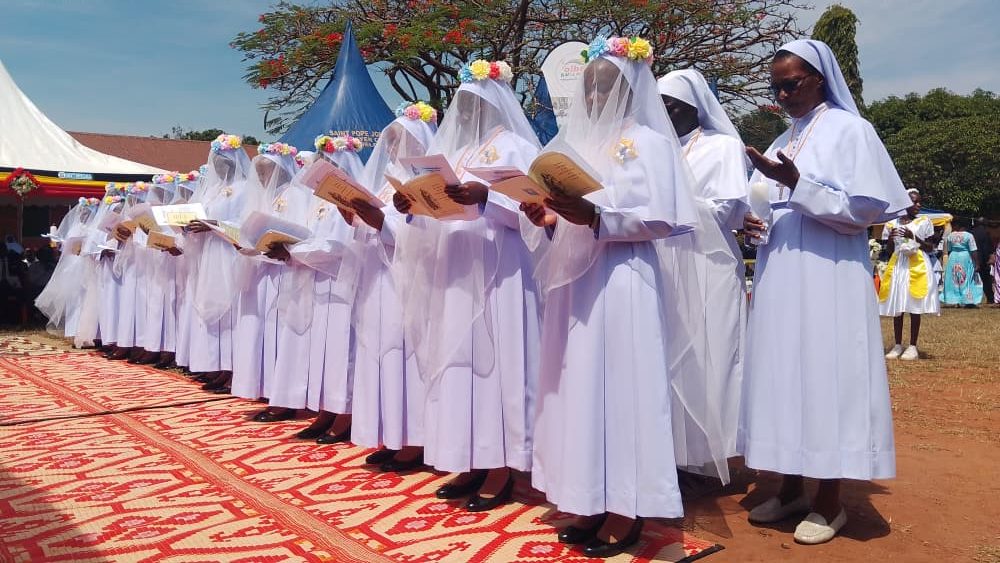
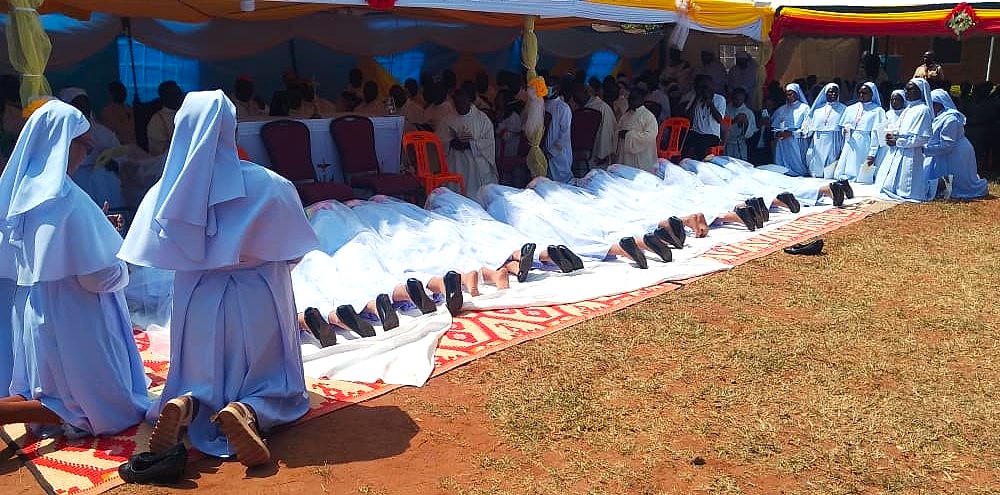
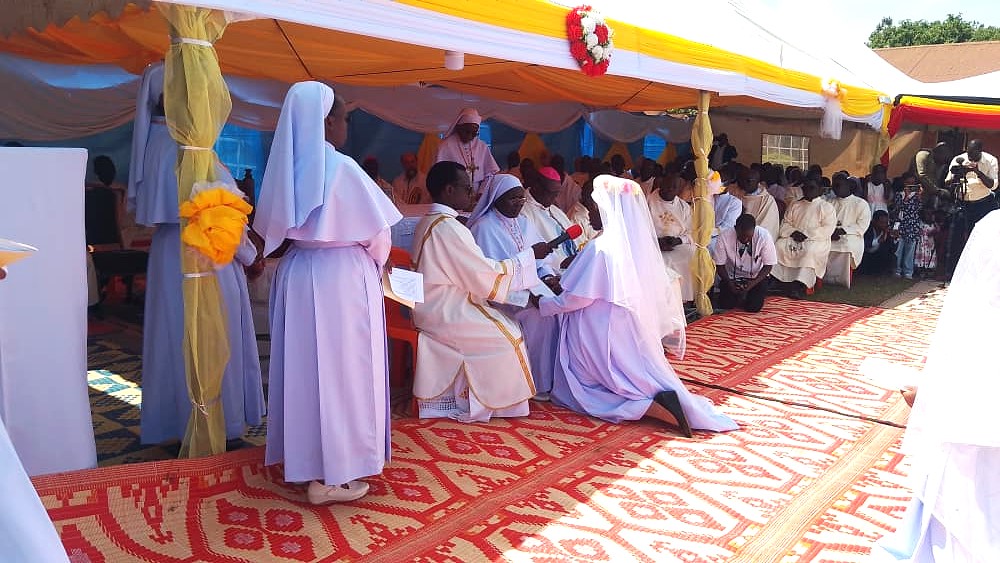
Lira, Uganda – January 1, 2026 – In a vibrant display of faith, perseverance, and missionary zeal, the Missionary Sisters of Mary, Mother of the Church (MSMMC) gathered to celebrate the perpetual profession of fourteen Sisters and the Golden Jubilee of four Jubilarians, a milestone marking 50 years of consecrated life. The event, held at the Motherhouse in Lira, drew religious leaders, family members, formators, cultural and political leaders, and national dignitaries, including Minister of Gender, Labour and Social Development, Hon. Betty Amongi.

Following Mary’s Example: Bishop Wanok’s Homily

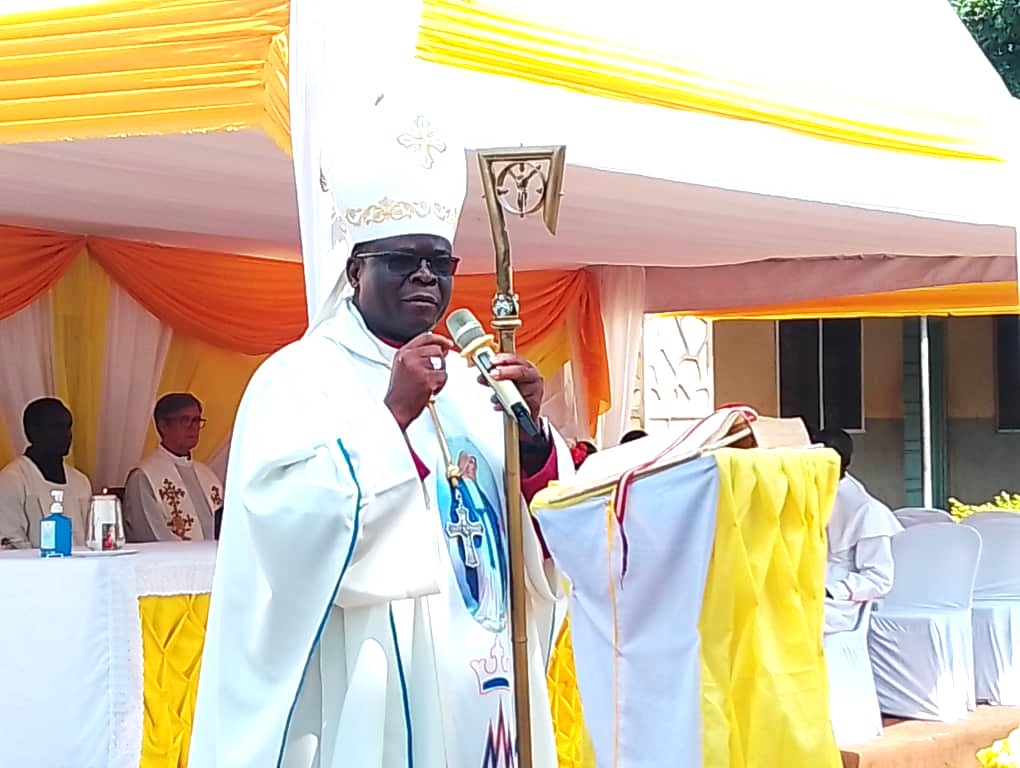
The celebration began with the homily of Rt. Rev. Sanctus Lino Wanok, Bishop of Lira Diocese, who reflected on the spiritual significance of the vows and the inspiration of Mary, Mother of the Church, for the Sisters’ mission.

“Lose sight of Mary, and you lose sight of the mission; gain Mary, and you gain the mission,” Bishop Wanok emphasized, explaining that Mary’s life exemplifies listening, observing, serving, and acting in faith. He highlighted that the Sisters, like Mary, are called to respond to the needs of others while keeping Christ at the center of their mission.

He congratulated the Golden Jubilarians, acknowledging their 50 years of faithful consecrated life as living witnesses of perseverance, commitment, and grace. The Bishop also encouraged the young Sisters, novice to carry forward the congregation’s mission with determination, unity, and openness to the Holy Spirit.

“A Church that listens like Mary, works together in unity, and remains open to the Holy Spirit becomes a blessed Church, capable of making Christ known to all,” he concluded, setting the spiritual tone for the day’s celebrations.

Archbishop Odama: Rooted in Vision and Peace

Following the homily, Archbishop Emeritus John Baptist Odama addressed the congregation, reflecting on the founder’s vision and the enduring mission of the Sisters. He recalled his own encounters with the founder and the lesson that has stayed with him:

“When God calls you, He does not mean to joke. He wants you to be His active and effective representative.”

Archbishop Odama urged the Sisters to remain faithful to the congregation’s founding vision of love for the Church and missionary service. He also conveyed blessings from senior Church leaders, including Archbishop Raphael of Nairobi and Cardinal Emmanuel Wamala, and encouraged prayers for the canonization ofUgandan blesseds, Daudi Okello and Gildo Irwa and  Blessed Giuseppe Ambrosoli, inviting the Sisters to spearhead in seeking their intercession.

Addressing political leaders present, Archbishop Odama called for peace, unity, reconciliation, and responsible leadership, reminding them that God must remain central in public service.

Superior General Mother Liberator Mandaun: Gratitude and the “Triple Yes”

The congregation’s Superior General, Mother Liberator Mandaun, expressed deep appreciation for the Sisters’ generosity and courage in committing their lives to God through perpetual vows. She honored the Golden Jubilarians for their enduring faithfulness, describing their lives as exemplifying the “triple yes,” faith in God, faith in oneself, and faith in the cause.

“Fifty years of faithful consecrated life is a powerful witness of perseverance, commitment, and grace,” she said, praising the Jubilarians’ witness as an inspiration to younger Sisters.

Mother Liberator also thanked parents, formators, benefactors, and the members of the Institute, highlighting the critical support and guidance that made the celebration and formation possible. She prayed for God’s continued blessings, love, and peace over the congregation as they entered the year 2026 with renewed zeal for their mission.

Minister Betty Amongi: Commitment to Service and Respect

In her remarks, Hon. Betty Amongi reflected on the significance of the Sisters’ vows, emphasizing that “all that I have is for the Institution” and highlighting the importance of service, obedience, and dedication. She reminded attendees that religious vows are not only a spiritual commitment but also a call to disciplined communal life, guided by the Superior General.

“Leadership is about service. The vows made today remind us that true service is service to the poor, the vulnerable, and those who struggle to access justice,” Minister Amongi stated, connecting the Sisters’ witness to the broader call for responsible civic leadership.

She praised the Sisters’ dedication, encouraged respect for their vocation, and reaffirmed her personal commitment to promote peace, justice, and service in her own leadership. She concluded with a gift to the Superior General, trusting her to use it wisely for the good of the congregation.

A Day of Faith, Joy, and Inspiration

The event was a profound celebration of faith, perseverance, and missionary commitment, bringing together religious, civic, and family communities. The perpetual profession of vows, coupled with the Golden Jubilee of the Jubilarians, underscored the enduring impact of the Missionary Sisters of Mary, Mother of the Church on the spiritual and social life.

Through the voices of the Bishops, Archbishop, Superior General, and Minister, the day’s message was clear: a life devoted to God, guided by Mary’s example, rooted in community, and lived in service to others, remains a beacon of inspiration, peace, and hope for all.

Lira Diocese Closes Jubilee Year of the Holy Doors, Bishop Wanok Urges Families, Leaders to Keep Faith and Mission Alive

By Flavia Oyuu, Communications Office, Lira Diocese

Lira Catholic Diocese has officially closed the Jubilee Year of the Holy Doors, with the Bishop of Lira Diocese, Rt. Rev. Sanctus Lino Wanok, calling on Christians to carry forward the grace of the Jubilee by strengthening their families, embracing unity, and committing themselves to mission and responsible leadership.

Presiding over the closing celebrations, Bishop Wanok clarified that while the Holy Door has been ceremonially closed, God’s grace remains ever open to those who continue to live according to His will.

“We are closing the Holy Door, but our house is not closing. Our door remains open because we are living under the grace of God’s love,” the Bishop said.

He cautioned the faithful against allowing distractions, misplaced trust, and poor leadership to weaken Christian families and communities, warning that when people lose direction, they risk allowing others to shape their values and future.

Reflecting on the Holy Family of Nazareth, Bishop Wanok reminded Christians that God delivers His people from suffering when they listen to His voice and remain faithful. He pointed to St. Joseph’s obedience, noting that Joseph protected the child Jesus and Mary by responding promptly to God’s guidance.

“Let us not run everywhere. Let us trust God to fight for us and protect our families,” he emphasized.

The Bishop described the Christian home as the ‘golden door’, stressing that it must remain open, guarded, and rooted in faith.

“The home is the first church. It is here that you will see the power and the glory of God,” he said.

He further underscored the importance of mutual respect within families, especially between children and elders, noting that respect forms the foundation upon which grace, hope, and blessings flow.

“If we do not respect one another, we cannot build this home. This is where we receive our grace, our hope, and our strength,” he added.

Turning to diocesan leadership, Bishop Wanok called on priests, deacons, religious, and lay leaders to imitate St. Joseph by listening daily to the voice of God and courageously guiding God’s people.

“Do not be afraid of leading people to the safe place, to the right direction,” he urged.

He encouraged leaders, both men and women, to remain united in prayer, especially when faced with challenges within communities and families, emphasizing that discernment must be done together rather than in isolation.

Addressing the youth, the Bishop challenged them to take responsibility now and not postpone leadership, urging them to use their skills, talents, and creativity to support their families and communities, particularly in times of economic hardship.

As the Jubilee Year came to an end, Bishop Wanok made a strong appeal for action, unity, and renewed commitment to mission, noting that the closure of the Holy Door should not result in spiritual complacency.

“This is a time for our action. The closing of the door should not be the closing of our homes or our mission,” he said.

He encouraged Christians to open themselves to mission and labour, and to work together in small, united groups, stressing that isolation deepens poverty and vulnerability, particularly among idle youth.

“Alone we cannot make it. Together we can reduce idleness among the youth and protect them from becoming vulnerable,” he noted.

In his concluding prayer, Bishop Wanok entrusted the faithful to the continued guidance of God’s grace, asking that the blessings received during the Jubilee Year may accompany Christians in every aspect of life.

“May the grace of God guide you in your journey, in your places of work, in your leadership, in your politics, and in all your undertakings. Let us be united and move together,” he prayed.

He reminded the faithful that the Church has opened the way for walking together, urging them to embrace unity, mission, and faithfulness in the years ahead.