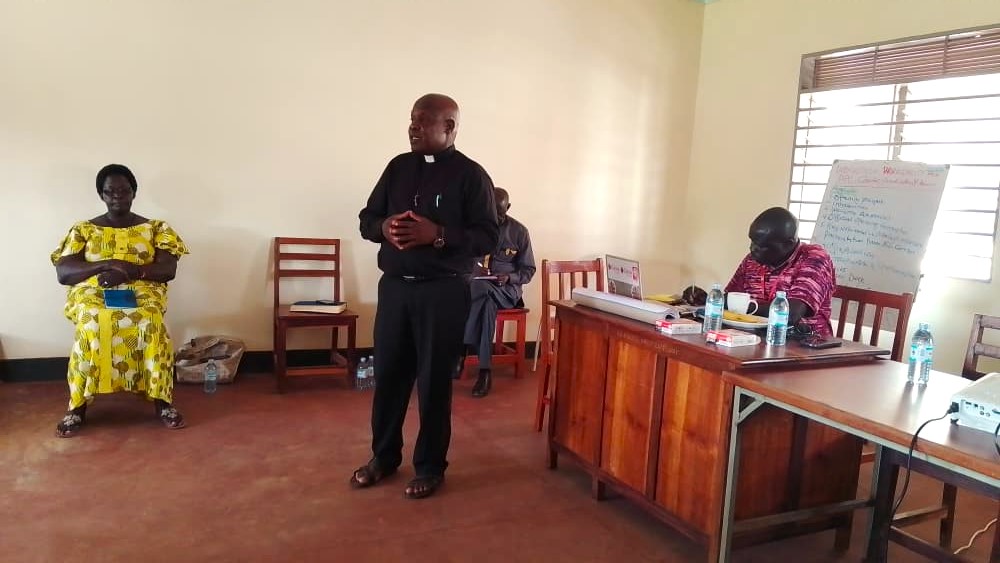
The Bishop of Kotido Catholic Diocese, Rt. Rev. Dominic Eibu, has called on the government to invest in irrigation systems in the Karamoja sub-region to help communities overcome recurring food shortages caused by prolonged dry spells.
Bishop Eibu made the appeal during a courtesy visit to St. Peter Anai Catholic Parish in Lira Diocese on Sunday, October 25, 2026, as he returned from pastoral engagements in Kampala. He also used the visit to express gratitude to Lira Diocese for its support to hunger-affected communities in Karamoja through donations of food items.
The assistance followed appeals by Kotido and Moroto dioceses for support as communities in the region faced worsening food shortages.
Karamoja has experienced prolonged dry conditions since May this year, with little or no rainfall reported in some affected areas. The situation has raised concerns over food security and threatened the livelihoods of communities that largely depend on rain-fed agriculture.
Irrigation as a long-term solution
Bishop Eibu acknowledged the importance of food donations in providing immediate relief to families struggling with hunger but noted that such interventions cannot sustain communities over an extended period.
He said establishing irrigation systems would enable farmers to continue growing crops even during periods of limited rainfall, reducing their dependence on seasonal weather patterns.
The bishop urged the government to prioritise investment in irrigation infrastructure as a long-term intervention to strengthen food security, improve household livelihoods and protect communities against the effects of drought.
He emphasised that while emergency food assistance remains important during periods of crisis, sustainable agricultural interventions are necessary to address the underlying causes of recurring hunger in Karamoja.
Appreciation to lira diocese
Bishop Eibu also expressed gratitude to Lira Diocese for responding to the appeal for food assistance, saying the donations would help support communities affected by hunger in the neighbouring region.
He further thanked the Christians of St. Peter Anai Catholic Parish for turning up in large numbers to welcome him, describing their reception as a demonstration of joy and Christian fellowship.
The visit provided an opportunity for the bishop to acknowledge the solidarity shown by the Church in Lira towards communities facing difficult conditions in Karamoja.
Bishop Eibu’s appeal underscores the need to complement emergency food donations with long-term interventions that can strengthen agricultural production and help communities withstand prolonged dry spells.
Investment in irrigation, he noted, could provide farmers with a more reliable means of producing food and reduce the region’s vulnerability to recurring drought and hunger.
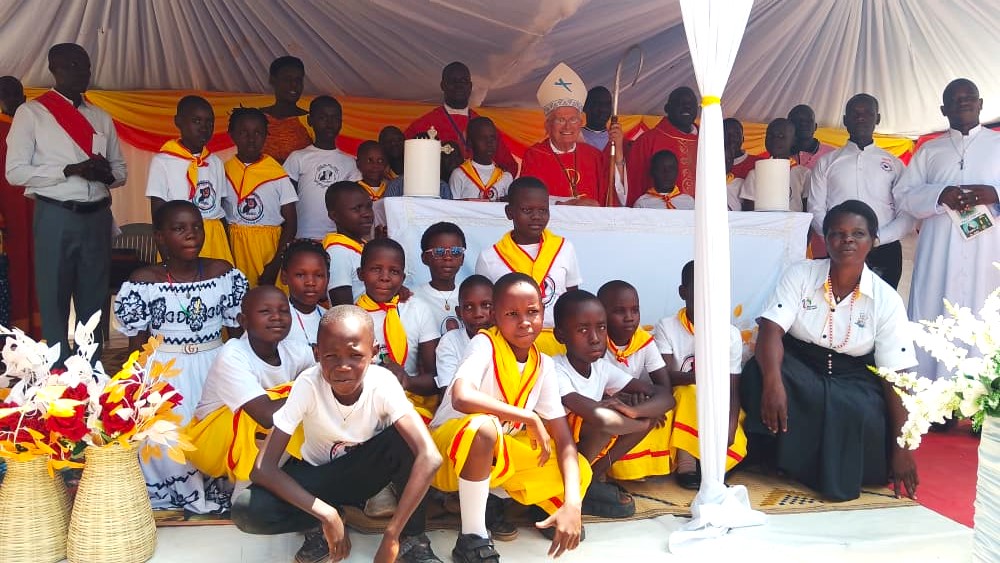
The celebration, held on the feast of St. Jude Thaddeus, was presided over by the Bishop Emeritus of Lira Diocese, Rt. Rev. Joseph Franzelli. During the Eucharistic celebration, 101 Christians received the Sacrament of Confirmation, while catechists also renewed their vows.
By Flavia Oyuu, Communications Office, Lira Diocese
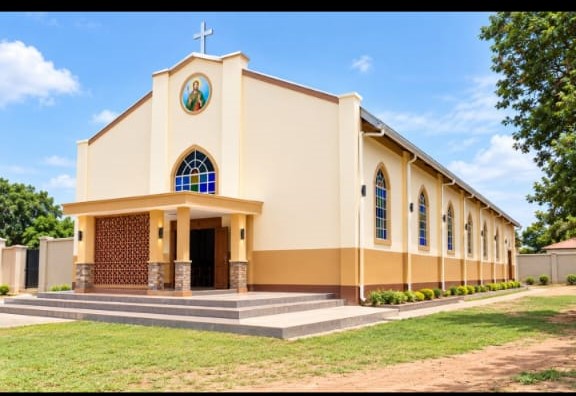
St. Jude Thaddeus Sub-Parish, Ojwina, has celebrated its patronal feast with a call on Christians to embrace their responsibility in spreading the Gospel, as the church community also reflected on its growth, achievements and preparations for elevation to parish status in 2027.
The celebration, held on the feast of St. Jude Thaddeus, was presided over by the Bishop Emeritus of Lira Diocese, Rt. Rev. Joseph Franzelli. During the Eucharistic celebration, 101 Christians received the Sacrament of Confirmation, while catechists also renewed their vows.
In his homily, Bishop Franzelli challenged Christians to look beyond celebrating the lives of saints and instead strive to imitate their faith, commitment and dedication to the mission of Jesus Christ.
Every Christian is called to be a missionary
Reflecting on the life of St. Jude Thaddeus, one of the twelve apostles chosen by Jesus Christ, Bishop Franzelli encouraged the faithful to deepen their understanding of the saint’s life and apostolic mission.
He reminded Christians that St. Jude was among those entrusted with the responsibility of continuing the work of Christ by proclaiming the Gospel and remaining faithful to His teachings, even to the point of martyrdom.
Drawing from the day’s Scripture readings, the Bishop challenged the congregation to examine their own commitment to Christ and consider whether they would have demonstrated the same faithfulness had they been among the apostles personally chosen by Jesus.
He emphasised that every Christian is called to participate in the missionary work of the Church, noting that evangelisation is not the responsibility of priests, bishops and catechists alone.
While Church leaders have particular responsibilities in teaching and guiding the faithful, every baptised Christian is expected to share the Gospel through their daily lives, families, communities, workplaces and interactions with others.
The Bishop explained that being a missionary does not necessarily mean travelling to distant places. Rather, it begins with carrying Christ in one’s heart and allowing His teachings to influence one’s actions, relationships and treatment of others.
He therefore encouraged Christians to demonstrate the love of Christ, serve one another and proclaim the Gospel through both their words and actions.
Connecting the message to the Church’s celebration of World Mission Sunday, Bishop Franzelli reminded the faithful that the mission of Christ continues through every generation. He urged them to pray for those who have not yet embraced the Christian faith and to remain committed to bringing the message of Jesus Christ to all people.
The example of the Martyrs of Paimol
The Bishop also drew attention to the lives of St. Jildo Irwa and St. Daudi Okello, the two Ugandan catechists martyred at Paimol, whose feast is celebrated on October 20.
He described their lives as further examples of Christian faith, missionary service and sacrifice, noting that they remained committed to spreading the Gospel despite the dangers they faced.
Their witness, he said, demonstrates that the responsibility to proclaim Christ is not limited to the apostles who lived during the time of Jesus but remains a continuing mission for all Christians.
Bishop Franzelli challenged the faithful not merely to admire the saints but to imitate their courage, commitment and willingness to serve God, even when doing so involves personal sacrifice.
Praying through the Intercession of St. JudeThaddeus
As the community celebrated its patron saint, Bishop Franzelli also encouraged Christians to seek the intercession of St. Jude Thaddeus through prayer.
Recognised in Catholic devotion as the patron saint of hopeless and desperate situations, St. Jude inspires the faithful to remain hopeful and steadfast in their faith, even when faced with difficult circumstances.
Through his intercession, Christians ask God for guidance, protection, strength and the grace to overcome challenges and remain faithful to Him.
The Bishop’s message reminded the congregation that devotion to the saints should ultimately draw Christians closer to Jesus Christ, whom St. Jude served and proclaimed.
St. Jude Thaddeus Sub Parish, Ojwina
A community reflecting on its journey and growth
Earlier, the Head of Laity at St. Jude Thaddeus Sub-Parish, Patrick Winnie Ocero, presented the community’s history, achievements and challenges.
He revealed that the sub-parish, which currently comprises five chapels, traces its beginnings to 1984, when Mzee Michael Owani and his wife, Mrs. Mary Goretti Owani, initiated a devotion to St. Jude Thaddeus during the episcopacy of Bishop Caesar Asili.
The first prayers were held on Palm Sunday in 1992 under a mango tree in the compound of Mr. Michael Assumpta Oqwal Aconga at Jinja Camp. The prayers were led by Catechist Emmanuel Mary Ogwel.
The community later acquired land donated by the late Mzee Daniel Obol, on which the church stands today.
In 1993, the chapel celebrated its first three church weddings, while in 1998, Fr. Carlos Ojuka blessed the foundation of the permanent church building.
Among the achievements highlighted by Ocero was the resolution of a land dispute that had affected the community, alongside efforts to expand the land available for church activities.
He also reported that St. John Paul II Chapel, Obutuwelo, had purchased land for its activities, with the land title currently being processed, while St. Lawrence the Deacon Chapel, Kakooge, had also acquired additional land.
However, he identified several challenges requiring attention, including weak Christian communities, the absence of a chaplain at St. Joseph the Worker Chapel at UTCL, and the desire by Christians around the college to establish a chapel outside the institution.
Other challenges include unreliable electricity supply and the incomplete priests’ residence.
Rev Fr. Odur Patrick the St. Jude Thaddeus Sub Parish Administrator
Preparations for Elevation to Parish Status
In his remarks, the Sub-Parish Administrator, Rev. Fr. Counsel Patrick Odur, thanked the Christians, visitors from other parishes, chapels, catechists and the organising committee for their contribution towards making the celebration successful.
He described the occasion as an opportunity for the Christian community to come together as one family in love, joy and mutual concern, reflecting the spirit of synodality.
He observed that the gathering for prayer demonstrated the presence of God among the faithful and encouraged them to continue seeking His grace through the intercession of the saints, particularly their patron, St. Jude Thaddeus.
Fr. Odur also announced that the sub-parish is expected to be elevated to parish status in February 2027. He further revealed that the community anticipates the ordination of Rev. Deacon Etot Joseph in August 2027, an important milestone in its growth.
He called on the Christians to begin preparations early to ensure the successful organisation of both events.
The celebration brought together Christians from the five chapels, visitors from other parishes and the wider community, providing an opportunity to celebrate the faith, recognise the sub-parish’s journey and renew commitment to its spiritual growth and mission.
By Jaspher Obua, Parish Social Communicator, Otwal Parish
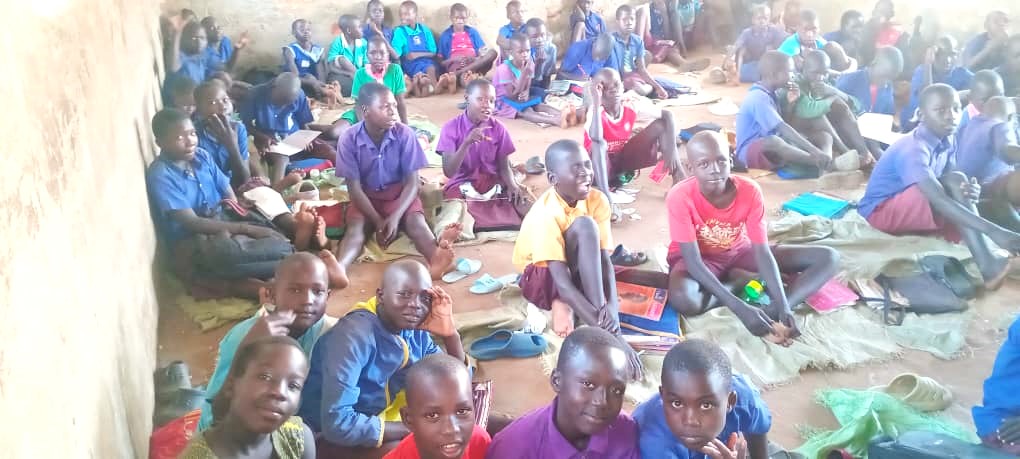
Parents of Otwal Primary School in Oyam District have resolved to contribute Shs 19,000 per pupil per term to support school operations and development, despite a Ministry of Education guideline restricting additional charges imposed on parents.
The resolution was unanimously adopted during an emergency Parent-Teacher Association (PTA) general meeting convened at the school yesterday by PTA Chairperson Nicholas Ogwal, following concerns that the Shs 6,500 allocated per pupil was insufficient to meet the school’s operational and development needs.
Speaking during the meeting, Ogwal said he had received a letter from the district authorities prohibiting the collection of additional money from parents. However, he argued that the limited resources provided to the school could not adequately support its activities.
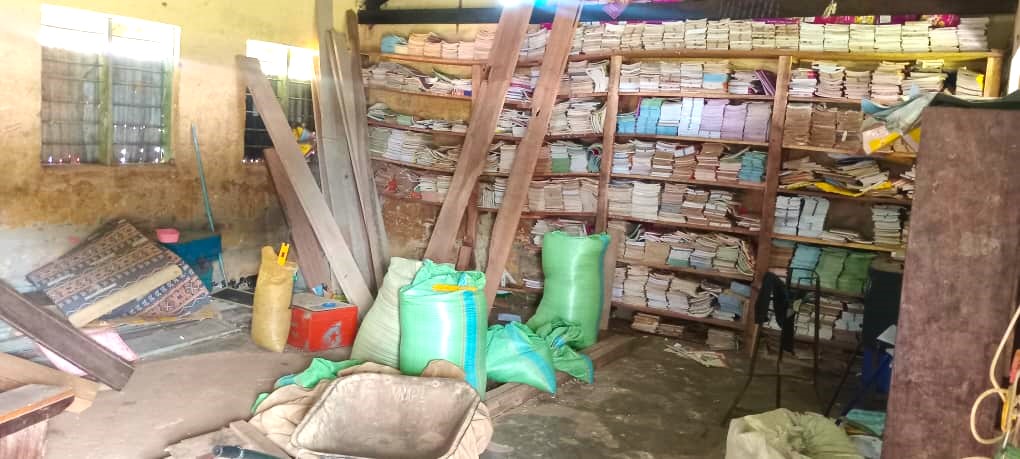
The school library acting as a store for food items and other items
He therefore appealed to parents to contribute towards the development of Otwal Primary School to supplement government funding. Following deliberations, the parents agreed to establish a PTA Development Fund of Shs 19,000 per pupil per term.
The LC1 Chairperson of Otwal Trading Centre A, where the school is located, Joshua Ojok, defended the proposed contribution, saying the fund would facilitate school development projects that might not be covered by government funding.
Ojok commended the parents for supporting the resolution, noting that their contributions would help supplement funding for other essential school activities.
The school’s headteacher, Alex Agel, also defended the PTA Development Fund, citing Section 9, subsections (1), (2) and (3) of the Education Act, which he said provides for parental contributions towards school development through PTA arrangements.
Parents attending the PTA meeting
Meanwhile, Betty Owani, the district councillor representing Otwal and Aleka sub-counties, said education stakeholders would formally notify the Oyam District Education Department about the parents’ resolution.
Owani said they would write to the department to communicate the decision and bring the matter to the attention of the relevant authorities.
Otwal Primary School currently has an enrolment of 960 pupils, comprising 477 boys and 483 girls, served by 18 teachers.
The resolution highlights the growing concerns over the adequacy of government funding for public schools. However, the parents’ decision to introduce the Shs 19,000 per-term contribution raises questions about compliance with education financing guidelines, the affordability of additional charges for families and the need for consultation with district education authorities before the collection is implemented.
Lira Diocese has called on Christians to recognise Caritas as a shared responsibility rooted in baptism, urging parish coordinators to promote charity, generosity and solidarity in their communities.
By Flavia Oyuu, Communications Office, Lira Diocese
The call was made during an induction workshop for Caritas parish and sub-parish coordinators held on October 27, 2026, to strengthen their understanding of the organisation’s mission, clarify their responsibilities and improve coordination of community development initiatives across the Diocese.
The workshop brought together deans and coordinators from parishes and sub-parishes, alongside the coordinators of the Lay Apostolate, Women’s Desk and Justice and Peace Commission (JPC).
The orientation also focused on planning in the spirit of synodality, encouraging participants to work together and strengthen collaboration between the diocesan structures and Christian communities at the grassroots.
Speaking during the workshop, the Diocesan Pastoral Coordinator, Fr. Vincent Orum, emphasised that Caritas should not be understood merely as an association or a separate ministry within the Church, but as the Church’s expression of charity and service.
“Caritas is not an association, neither is it a ministry in the Church. So Caritas is the hand of the Church in ministry,” Fr. Orum said.
He explained that, by virtue of their baptism, all Christians are called to practise charity and share their time, talents and material resources with people in need.
“God has gifted us so that we can be gifts to others,” he said, urging participants to help Christians understand that generosity is part of their faith and responsibility towards their neighbours.
Rev Fr. Vincent Orum, the Diocesan Pastoral Coordinator opening the induction meeting
Generosity at the Heart of Christian Service
In his opening remarks, Fr. Orum called for greater emphasis on the biblical teaching behind generosity, saying Christians need to understand that giving is not simply a personal choice but a response to God’s gifts.
Drawing from Scripture, he referred participants to Malachi 3:6–10 and Amos 4:6, highlighting the importance of generosity and the consequences of selfishness.
He said parish coordinators had an important role in helping Christians understand the spiritual meaning of giving, rather than participating in charitable activities only when they felt inclined to do so.
Fr. Orum cited his parish’s theme for the year, “Generosity is Divine,” as an example of how the Church can help Christians appreciate generosity as a gift from God that also brings blessings to others.
On behalf of the Bishop of Lira Diocese, he officially opened the workshop, expressing satisfaction that most parishes were represented.
Parish Coordinators to Strengthen Grassroots Engagement
The presentation by Caritas Lira Programme Manager Francis Ojok outlined the organisation’s identity, mission, thematic areas, governance structures and strategic direction, including its 2026–2031 Strategic Plan.
According to the presentation, Caritas Lira is a faith-based organisation operating within Lira Diocese. Its office opened in 2000 to provide social services and defend human dignity irrespective of creed or race.
Its mission includes promoting integral human development, caring for creation, restoring peace, advocating for social justice, and advancing reconciliation, love and solidarity.
The organisation’s areas of focus include agriculture and food security, economic empowerment, capacity building, social protection, water and sanitation, renewable energy and social investment initiatives.
The presentation also highlighted partnerships, advocacy, networking, capacity development, community participation and gender mainstreaming as key strategies for implementing its work.
Caritas parish coordinators were identified as an important link between parish leadership, the Caritas office and Christian communities.
Their responsibilities include mobilising community participation, sharing Caritas information with parishes and Small Christian Communities, providing feedback from communities to the diocesan office, and supporting Caritas activities through local volunteer structures.
The coordinators are also expected to help communicate development information and announcements to Christians, ensuring that information and opportunities reach communities at the grassroots.
Through these responsibilities, the coordinators are expected to support Caritas in strengthening local participation and ensuring that community needs and feedback inform its work.
Caritas Lira Executive Director Calls for Continued Formation
The Executive Director of Caritas Lira, Fr. Desiderius Pule, said the induction was organised to bring coordinators together, help them know one another, clarify their roles and support joint planning in the spirit of synodality.
He noted that the participation of deans and coordinators from different parishes and sub-parishes was important in strengthening the structures through which Caritas works across the Diocese.
According to Fr. Pule, feedback from participants indicated that the workshop had been fruitful and that planning had been undertaken to guide subsequent activities.
Rev Fr. Desiderius Pule, the Executive Director Carita Lira making a presentation to the participants
He said the next step should involve deans organising further meetings and training others who would support formation at parish, chapel and Small Christian Community levels.
Fr. Pule encouraged participants to recognise that Caritas is not only the responsibility of designated coordinators, but a Christian calling shared by all the baptised.
“Each one of us, by the virtue of baptism, we are all Caritas,” he said.
He added that collaboration between the diocesan structures and grassroots communities would be essential to carrying the mission forward.
Church Seeks Stronger Small Christian Communities
In his closing remarks, Fr. Orum also called for renewed efforts to strengthen Small Christian Communities, known locally as OTEM, describing them as important structures for the Church’s pastoral life.
He cited diocesan statistics indicating that only 14 of the Diocese’s 36 parishes had functional Small Christian Communities, expressing concern about the limited activity in many others.
He urged deans and parish leaders to strengthen these communities and ensure that pastoral activities are rooted in families and local Christian life.
Fr. Orum linked this call to the Church’s emphasis on synodality, which promotes listening, dialogue and the participation of the faithful in discerning and responding to community needs.
He also briefed participants on preparations for the Diocesan Pastoral Assembly scheduled for January 25–30, 2027.
He explained that questionnaires were to be discussed at Small Christian Community level before being presented at parish level, compiled at deanery level and submitted for consideration at the diocesan level.
The process is intended to ensure that the voices and experiences of Christians at the grassroots inform diocesan planning and discussions at the assembly.
Fr. Orum urged the deans and parish leaders to take the exercise seriously, noting that the assembly would depend on reports submitted through these structures.
Lay Apostolate Head Says Christians Must Share Responsibility
The Head of the Lay Apostolate in Lira Diocese, Hon. Jovino Akaki, said the training had helped participants better understand the identity and purpose of Caritas.
He observed that some Christians had previously associated Caritas mainly with distributing donated items without understanding the wider mission or how communities could participate in its work.
“Today we have learnt a lot about Caritas. We have learnt that Caritas is love, Caritas is charity, giving to those in need. And all of us are members of Caritas; it is a way of life, Christian life,” Akaki said.
He called on Christians to embrace a culture of mutual assistance, noting that support from international donors was no longer coming in the same measure as before.
He urged communities to strengthen local solidarity and help one another rather than depend entirely on outside assistance.
Participants Welcome the Induction
Milly Joffrey Anyach, a participant from Apac, described the workshop as informative and educational, saying it had given coordinators a clearer understanding of where to begin their work.
She said participants were expected to take the message to their communities by mobilising Christians from chapels and zones through to parish level, while providing feedback on their activities.
“Much as it has been my first time to attend the Caritas meeting, I have picked,” she said, expressing hope that the coordinators would succeed in implementing what they had learnt.
The induction marks a step in Caritas Lira’s efforts to strengthen its parish-level structures and improve coordination between the diocesan office and local communities.
Through the coordinators, the Diocese hopes to deepen Christians’ understanding of charity, encourage greater community participation and strengthen the spirit of service, solidarity and shared responsibility across Lira Diocese.
By Fr. Isaac Ojok, Communications Office, Lira Diocese
Rome, Italy — 23 October 2026. The Rt. Rev. Sanctus Lino Wanok, Bishop of Lira Diocese, is currently attending a conference in Rome organized by Jesus Youth. The gathering, which began early this week, is expected to conclude later this week, bringing together participants for prayer, fellowship, reflection, and the sharing of experiences in faith and evangelization.
During his participation in the conference, Bishop Wanok conveyed his heartfelt message and special greetings to the clergy, religious, and all the Christians of Lira Diocese. He extended his warm wishes to the faithful, reaffirming his spiritual closeness and pastoral commitment to the people entrusted to his care.
The Bishop’s participation in this international gathering underscores the importance of communion, collaboration, and the exchange of pastoral experiences in strengthening the mission of the Church. It also provides an opportunity to reflect on the Church’s continuing call to walk together in faith, guided by the Gospel and the Holy Spirit.
Emphasizing the importance of synodality, the gathering offers a valuable opportunity to renew the Church’s commitment to listening, dialogue, participation, and shared responsibility in its mission of evangelization. Synodality calls on all members of the Church—clergy, religious, and lay faithful—to journey together, listen to one another with humility, discern the guidance of the Holy Spirit, and work collaboratively in building a more united and mission-oriented Church.
As Bishop Wanok joins fellow participants in Rome, his message to the faithful of Lira Diocese serves as a reminder that the Church’s mission is strengthened through unity, mutual understanding, and active participation by all the baptized. His greetings further reaffirm the enduring spiritual bond between the Bishop and the diocesan community, even as he takes part in this important international gathering.
The faithful of Lira Diocese are encouraged to keep Bishop Wanok and all the conference participants in their prayers, asking the Lord to guide their deliberations and inspire the Church’s mission of communion, participation, and evangelization.
May the Lord continue to guide Bishop Wanok in his pastoral ministry and bless the entire Christian community of Lira Diocese with faith, unity, peace, and a renewed commitment to walking together as one people of God
 English
 Arabic
 Chinese (Simplified)
 Dutch
 French
 German
 Italian
 Portuguese
 Russian
 Spanish